


How to Increase Gamma Brain Waves

The Fastest Signal in Your Head
Somewhere in your brain, right now, billions of neurons are doing something that should be physically impossible.
They are talking to each other in perfect sync. Not a few dozen neurons. Not a few thousand. Millions of them, spread across completely different brain regions separated by centimeters of dense neural tissue, firing together within a window of about 25 milliseconds. That is faster than the blink of an eye. Faster than the time it takes sound to travel one inch.
These synchronized bursts produce a specific electrical pattern that neuroscientists call gamma brain waves, oscillations humming between 30 and 100 Hz. And they are the signature of your brain operating at its absolute peak.
When you have that razor-sharp moment of concentration where time disappears. When you suddenly understand something you have been struggling with for weeks. When a complex idea clicks into place and you feel that electric aha. That is gamma.
The question is: can you make it happen on purpose?
The answer, backed by over two decades of neuroscience research, is yes. And the techniques to increase gamma brain waves are more specific, more trainable, and more measurable than most people realize.
What Makes Gamma Different From Every Other Brain Wave
Before we get into how to produce more gamma, you need to understand why gamma matters. Because your brain doesn't just have one kind of electrical activity. It has a whole symphony of oscillations, each playing a different role.
| Wave | Frequency | State | Analogy |
|---|---|---|---|
| Delta | 0.5-4 Hz | Deep sleep, unconscious repair | Your brain doing maintenance with the lights off |
| Theta | 4-8 Hz | Drowsy, light meditation, memory encoding | That hazy state right before sleep |
| Alpha | 8-13 Hz | Relaxed, calm alertness, eyes closed | Idle mode, ready but not engaged |
| Beta | 13-30 Hz | Active thinking, problem-solving, alert | Normal waking consciousness at work |
| Gamma | 30-100 Hz | Peak focus, insight, memory binding, learning | Your brain's turbo mode |
Here is what makes gamma fundamentally different from the others. Every other brainwave type tends to dominate in a specific brain region. Alpha is strongest in the occipital cortex. Theta peaks in the hippocampus. But gamma does something unique: it synchronizes activity across regions.
This is called long-range gamma synchrony, and it is your brain's way of binding information together. When you look at a red ball, different parts of your visual cortex process the color, the shape, the motion, and the location separately. Gamma synchrony is the mechanism that stitches all of those features into a single, unified perception. Without it, you would see a red thing and a round thing and a moving thing, but you would never experience them as one object.
Neuroscientists call this the "binding problem," and gamma brainwaves appear to be the brain's solution.
That same binding mechanism operates at higher cognitive levels too. When you connect an idea from one domain to an insight from another, that is gamma synchrony linking distant neural populations into a coherent thought. This is why gamma is associated with creativity, learning, and those electric moments of understanding.
The Monks Who Broke the EEG Machine
In 2004, neuroscientist Richard Davidson at the University of Wisconsin did something that had never been done before. He put EEG caps on Tibetan Buddhist monks who had accumulated between 10,000 and 50,000 hours of meditation practice, and he measured their brainwaves during loving-kindness meditation.
The results were so extreme that Davidson's team initially thought the equipment was malfunctioning.
The monks produced gamma oscillations that were 25 to 30 times stronger than the control group of novice meditators. Not 25% stronger. Not 2.5 times stronger. Twenty-five times. The gamma activity was so powerful and so sustained that it exceeded anything previously recorded in a healthy human brain.
But the truly startling finding was what happened before the meditation session even started. The monks' baseline gamma activity, the level they showed just sitting quietly with their eyes open, was already significantly elevated compared to normal subjects. Their brains had been permanently remodeled by decades of practice.
This was one of the first concrete demonstrations that gamma activity is not just something that happens to you. It is something you can train. The monks had literally built gamma-producing neural architecture through sustained, deliberate practice.
Research shows that long-term meditators don't just produce more gamma during meditation. Their resting-state gamma power is permanently elevated. This suggests that gamma-enhancing practices create lasting structural changes in the brain, not just temporary state shifts. Think of it like physical fitness: a trained athlete's resting heart rate is lower even when they're not exercising. A trained meditator's brain operates at a higher baseline of neural synchrony.
Now, you probably don't have 50,000 hours to spend in a monastery. The good news is that you don't need to. Research over the last two decades has identified specific techniques that increase gamma activity in far less time, and several of them are surprisingly accessible.
Technique 1: Focused-Attention Meditation
Of all the methods studied, meditation has the strongest and most replicated evidence for increasing gamma brain waves. But not all meditation is equal for gamma.
Focused-attention meditation (concentrating on a single object, like the breath or a candle flame) produces strong gamma increases in frontal and parietal regions. The mechanism makes sense: you are asking millions of neurons to coordinate their activity toward a single point of focus, which is exactly the kind of large-scale synchronization that produces gamma.
Loving-kindness meditation (generating feelings of compassion toward yourself and others) produces the most dramatic gamma spikes recorded in the literature. This was the technique used by Davidson's monks. The emotional and cognitive complexity of the practice appears to recruit widespread neural networks that synchronize in the gamma band.
Open-monitoring meditation (awareness of whatever arises without attachment) produces moderate gamma increases, primarily in frontal midline regions associated with metacognition, the brain watching itself.
Here's a practical protocol drawn from the research:
Duration: Start with 15 minutes, build to 30-45 minutes over weeks
Method:
- Sit comfortably with eyes closed. Spend 2-3 minutes settling into the breath.
- Shift to focused attention on the sensation of breathing at the nostrils. When your mind wanders (it will), gently return attention. Each return is a "rep" for your gamma-producing circuits.
- After 10-15 minutes of focus work, transition to loving-kindness: generate a genuine feeling of warmth toward someone you care about, then extend it outward to acquaintances, strangers, and ultimately all beings.
- The emotional richness of loving-kindness combined with sustained attention is what drives the strongest gamma response.
Frequency: Daily practice produces measurable gamma changes within 8-12 weeks. Davidson's team found significant effects after just 7 hours of total practice in novices.
The key insight from the research is that consistency drives results more than duration. Twenty minutes every day for eight weeks beats two hours once a week. Your brain builds the gamma-producing circuitry through repetition, the same way muscles grow through repeated contractions.
Technique 2: Neurofeedback Training
If meditation trains gamma from the inside, neurofeedback trains it from the outside by showing your brain its own activity and letting it learn to self-regulate.
Here's how it works. You wear an EEG device that measures your brainwave activity in real-time. Software processes the signal and extracts the power in the gamma frequency band. When your gamma power increases, you get a reward: a tone, a visual cue, a game element moving forward. When gamma drops, the reward stops.
Your brain, being the optimization engine it is, figures out how to produce more of whatever earns the reward. It doesn't happen through conscious effort. The learning is largely implicit, driven by the same reinforcement mechanisms that teach a child to walk. You don't think your way to more gamma. Your brain finds the state on its own.
The evidence is compelling:
- A 2017 NeuroImage study found 10 sessions of gamma neurofeedback improved working memory and cognitive flexibility, with effects lasting weeks after training stopped
- A 2019 study in Frontiers in Human Neuroscience showed gamma neurofeedback increased creative thinking scores by 15% compared to a sham-feedback control group
- Research at the University of London demonstrated that gamma neurofeedback training increased long-range gamma synchrony, the same pattern seen in experienced meditators
- A 2021 meta-analysis across 28 studies confirmed that gamma and upper-beta neurofeedback reliably improves sustained attention and working memory
The critical variable in neurofeedback is the quality of the EEG signal. Consumer devices with one or two sensors can detect broad trends, but gamma is notoriously susceptible to muscle artifact contamination (muscles in the forehead and jaw produce electrical signals in the same frequency range as gamma). Multi-channel EEG with electrode positions over frontal, central, and parietal areas provides the spatial resolution needed to distinguish true cortical gamma from muscle noise.
Gamma waves are low-amplitude signals easily overwhelmed by muscle artifact. With only 1-2 EEG channels, it's nearly impossible to separate real gamma from noise. Multi-channel systems (4+ channels) use spatial filtering to isolate cortical signals. The more channels you have spread across different scalp regions, the more confidently you can identify genuine gamma synchrony rather than artifact. This is why research-grade gamma neurofeedback uses full montages, and why consumer devices with higher channel counts produce more reliable readings.
Technique 3: Physical Exercise (The Gamma Spike You Didn't Know About)
Here is the technique that surprises most people. Vigorous physical exercise produces significant, measurable increases in gamma brain wave activity, and the effect lasts well beyond the workout itself.
A 2020 study published in Brain Research measured EEG before, during, and after 30 minutes of cycling at 70% maximum heart rate. Gamma power in frontal and parietal regions increased significantly during exercise and remained elevated for up to 45 minutes afterward. The researchers proposed that exercise-induced increases in brain-derived neurotrophic factor (BDNF) and norepinephrine enhance the neural synchronization that produces gamma.
The optimal protocol appears to be:
- Aerobic exercise at 60-80% of maximum heart rate (running, cycling, swimming, rowing)
- Duration of at least 20 minutes to trigger the neurochemical cascade
- Post-exercise gamma elevation lasts 30-60 minutes, creating a window for focused cognitive work
- High-intensity interval training (HIIT) may produce even stronger acute gamma increases than steady-state cardio
This has a practical implication that most productivity advice misses entirely. If you schedule your most demanding cognitive work (writing, coding, strategic thinking) immediately after exercise, you are doing that work during a period of naturally elevated gamma activity. Your brain is literally more synchronized, more ready for the kind of cross-regional binding that produces insights and creative solutions.
Think about that next time someone tells you exercise is "just for your body."
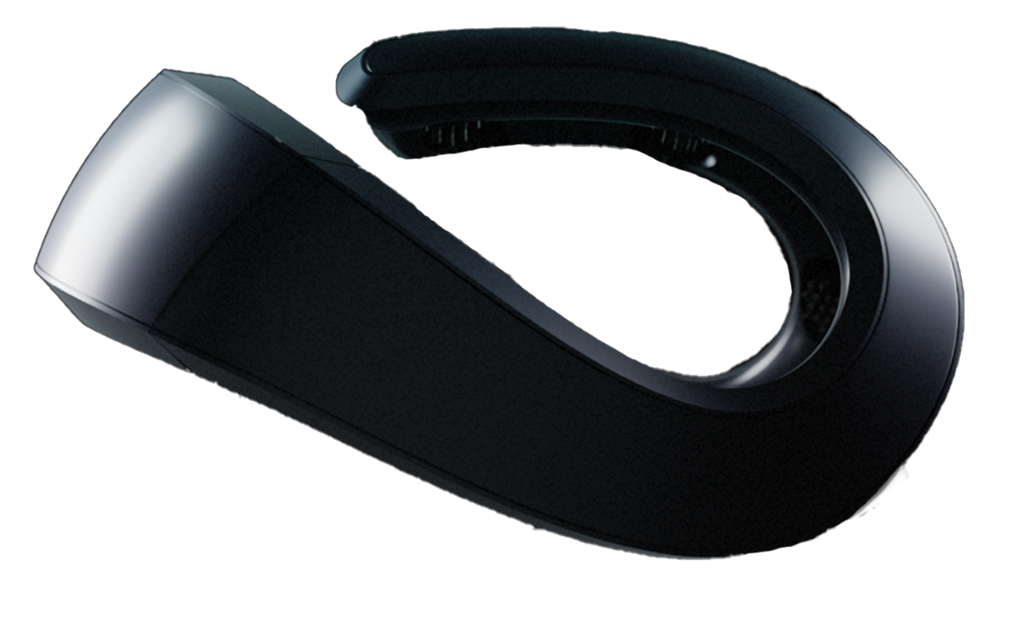
Technique 4: 40 Hz Auditory and Sensory Stimulation
In 2016, MIT neuroscientist Li-Huei Tsai published a paper in Nature that sent shockwaves through the neuroscience community. Her team exposed mice with Alzheimer's-related pathology to flickering light at exactly 40 Hz, right in the center of the gamma frequency band. After one hour of stimulation, the mice showed a 40-67% reduction in amyloid-beta plaques in their visual cortex.
Flickering light at 40 Hz was clearing the brain's garbage.
The mechanism appears to involve gamma entrainment, the brain's tendency to synchronize its own oscillations to external rhythmic stimuli. When sensory input arrives at 40 Hz, neural circuits in the sensory cortex lock onto that frequency and begin oscillating in sync. This gamma entrainment then triggers a cascade of cellular cleaning processes, including activation of microglia (the brain's immune cells) that engulf and clear toxic proteins.
Subsequent research extended these findings to auditory stimulation. Pulsed sound at 40 Hz produced gamma entrainment in the auditory cortex and hippocampus, a region critical for memory. Human trials using 40 Hz sound and light stimulation have shown improvements in working memory, attention, and sleep quality in both healthy adults and patients with mild cognitive impairment.
Audio: Listen to 40 Hz binaural beats or 40 Hz amplitude-modulated tones through headphones. Binaural beats work by playing slightly different frequencies in each ear (e.g., 400 Hz in the left, 440 Hz in the right) to create a perceived 40 Hz beat. Sessions of 30-60 minutes appear to be most effective in published studies.
Light: Some commercial devices offer 40 Hz flickering light panels. Important safety note: flickering light can trigger seizures in people with photosensitive epilepsy. Do not use light-based gamma stimulation without consulting a physician if you have any history of seizures.
Combined: Tsai's most recent research uses combined audio-visual stimulation at 40 Hz, called GENUS (Gamma ENtrainment Using Sensory stimuli), which produces more widespread gamma entrainment than either modality alone.
The auditory approach is the most accessible for most people. A growing body of evidence suggests that even listening to music with strong rhythmic components near 40 Hz can nudge your brain toward gamma-range synchronization, though the effect is less targeted than pure 40 Hz stimulation.
Technique 5: Dietary and Nutritional Strategies
Your brain's ability to produce gamma oscillations depends on the health of its GABAergic interneurons, a specific class of inhibitory neurons that act as the "pacemakers" of gamma rhythms. These neurons fire at gamma frequencies and synchronize the activity of surrounding excitatory neurons. When GABAergic interneurons are healthy and well-supplied, gamma production is strong. When they're compromised, gamma weakens.
Several nutrients directly support GABAergic interneuron function:
| Nutrient | Source | Mechanism | Evidence |
|---|---|---|---|
| L-theanine | Green tea, matcha | Increases alpha and gamma power, enhances GABA activity | Multiple EEG studies show increased gamma within 45 min of ingestion |
| Omega-3 fatty acids (DHA) | Fatty fish, algae oil | Supports neuronal membrane fluidity critical for fast oscillations | Low DHA levels correlate with reduced gamma power in multiple studies |
| Flavonoids | Dark chocolate, blueberries, green tea | Enhance cerebral blood flow, support GABAergic function | Cocoa flavonoids increase gamma power in parietal cortex within 2 hours |
| Magnesium | Leafy greens, nuts, seeds | GABA receptor co-factor, essential for inhibitory neurotransmission | Magnesium deficiency impairs gamma oscillations in animal models |
| Creatine | Red meat, supplement | Supports cellular energy (ATP) for high-frequency neural firing | Supplementation improves cognitive tasks associated with gamma activity |
The most immediately noticeable of these is L-theanine. Multiple EEG studies have found that a single 200mg dose of L-theanine (roughly the amount in 4-5 cups of green tea, or one supplement capsule) produces measurable increases in both alpha and gamma power within 30-45 minutes. The effect is especially pronounced when combined with caffeine, which is why matcha and green tea have been used for focused attention in Zen meditation traditions for centuries. The monks figured this out about a thousand years before the neuroscientists.
Technique 6: Cognitive Challenge and Flow States
Your brain doesn't produce gamma when it's bored. It doesn't produce gamma when it's overwhelmed either. Gamma peaks when you're operating at the edge of your ability, fully engaged with a challenge that stretches but doesn't break your cognitive capacity.
Psychologist Mihaly Csikszentmihalyi called this "flow," and it turns out flow states have a specific gamma signature. Research using EEG during flow-inducing tasks (complex video games, musical improvisation, creative problem-solving) consistently shows elevated gamma synchrony across frontal and parietal regions.
The conditions that trigger this gamma-rich flow state are well-characterized:
- Clear goals: your brain needs to know what 'success' looks like for the current task
- Immediate feedback: you need to know whether your actions are working, moment by moment
- Challenge-skill balance: the task should be about 4% harder than your current ability level
- Deep engagement: single-tasking, not multitasking. Gamma collapses when attention splits
- Minimal distraction: your brain can't sustain long-range gamma synchrony while processing interruptions
This has a counterintuitive implication. One of the best ways to increase gamma brain waves is simply to do hard, focused work on something you care about, for sustained periods without interruption. Not passively listening to binaural beats. Not taking supplements. Actually engaging your brain at full capacity.
The other techniques on this list prime and support gamma production. But cognitive challenge is what pulls the trigger.
Stacking: How These Techniques Compound
Here is where it gets interesting. These techniques are not mutually exclusive. They stack.
Consider a morning routine designed around gamma production:
- Exercise (30 min vigorous cardio) elevates BDNF and baseline gamma power
- Green tea or matcha (L-theanine + caffeine) boosts GABAergic support and alertness
- Focused-attention meditation (15-20 min post-exercise) trains gamma-producing circuits during an already-elevated window
- Deep cognitive work (2-3 hour block) uses the compounded gamma elevation for flow
Each step amplifies the next. Exercise raises your gamma floor. L-theanine supports the neural machinery. Meditation trains the synchronization circuits. And then you point all of that elevation at a demanding task that requires exactly the kind of cross-regional neural binding that gamma provides.
Research has not yet systematically studied this exact stacking protocol, but the individual findings strongly suggest compounding effects. The mechanisms operate through different biological pathways (neurochemical, structural, entrainment, metabolic) so they should not compete with each other.
Measuring What Matters: Why Gamma Tracking Changes the Game
There is a fundamental problem with every gamma-boosting technique described above: without measurement, you are flying blind.
You might meditate for 20 minutes and assume your gamma increased. Maybe it did. Maybe it didn't. Maybe your technique needs adjustment. Maybe you spent 18 of those 20 minutes lost in thought rather than in focused attention. Without objective data, you are guessing.
This is where EEG monitoring transforms these techniques from hopeful practices into precise, trainable skills.
When you can see your gamma activity in real-time, something shifts. You develop an interoceptive sense for what high-gamma states actually feel like in your body and mind. You learn which meditation techniques produce the strongest response in your brain (individual variation is significant). You discover your personal optimal exercise intensity, the right dose of cognitive challenge, and the time of day when your brain is most responsive to training.
The Neurosity Crown sits at an interesting intersection here. Its 8 EEG channels (positioned at CP3, C3, F5, PO3, PO4, F6, C4, and CP4) span the frontal, central, and parietal regions where gamma synchrony is most meaningfully measured. The 256Hz sampling rate captures gamma oscillations up to 128Hz, covering the full gamma range. And the real-time FFT and power spectral density data from the Crown's SDK let you build applications that track gamma power changes as they happen.
For someone seriously training gamma, this kind of feedback loop is the difference between practicing and practicing effectively. You can see whether your morning meditation actually elevated gamma. You can measure whether exercise creates the post-workout gamma window in your brain specifically (individual variation is real). You can track whether 40 Hz auditory stimulation produces detectable entrainment in your cortical activity. For developers, the possibilities go further. The Crown's JavaScript and Python SDKs expose raw EEG data at 256Hz, opening the door to custom gamma neurofeedback applications. You could build a meditation app that rewards sustained gamma elevation with audio feedback. Or a focus tool that detects gamma drops and prompts you before you fully disengage. Or a research tool that logs gamma power across sessions and correlates it with cognitive performance metrics. The Neurosity MCP integration even allows AI tools like Claude to interpret your brainwave data in real-time, creating the possibility of an AI coaching system that responds to your gamma state.
The Bigger Picture: What Gamma Tells Us About the Brain
Step back for a moment and consider what it means that your brain has this mechanism at all.
Gamma synchrony is your brain's solution to a coordination problem of staggering complexity. You have roughly 86 billion neurons, each capable of forming 10,000 connections, operating in a wet, noisy, electrochemical environment where signals travel at about 150 meters per second (roughly 400,000 times slower than the speed of light in a computer chip). And yet, somehow, millions of these neurons achieve millisecond-precise synchronization across brain regions separated by several centimeters of dense tissue.
The fact that this works at all is remarkable. The fact that you can train it to work better is something close to extraordinary.
Every technique in this guide, meditation, neurofeedback, exercise, sensory stimulation, nutrition, and cognitive challenge, works by supporting or enhancing this synchronization capacity. They strengthen the GABAergic interneurons that set the rhythm. They improve the long-range connections that carry it. They create the neurochemical environment that sustains it.
And the more we learn about gamma, the more central it appears to be. Gamma deficits are now implicated in Alzheimer's disease, schizophrenia, ADHD brain patterns, autism spectrum conditions, and age-related cognitive decline. The flip side of that finding is electrifying: if reduced gamma is associated with cognitive dysfunction, then increasing gamma activity might be therapeutic.
This is still emerging science. The clinical trials are ongoing. But the trajectory is clear enough that MIT, Stanford, and dozens of other institutions are pouring resources into understanding and modulating gamma oscillations.
You don't need to wait for the clinical trials to finish. The techniques in this guide are safe, well-studied, and available right now. The only question is whether you'll practice them blindly, or with the kind of real-time neural feedback that turns self-improvement into self-knowledge.
Your brain is already producing gamma. Every moment of genuine focus, every flash of insight, every time you truly understand something new, gamma synchrony is the mechanism making it possible. The techniques above don't create something foreign. They amplify something your brain is already doing.
The only thing that has changed is that now, for the first time, you can actually watch it happen.