


Mindfulness vs TM: What Your Brain Actually Does

Two Meditators Walk Into a Brain Scanner
Here is a scene that actually happened in a neuroscience lab at the University of Wisconsin-Madison in 2004.
A Tibetan Buddhist monk with over 10,000 hours of mindfulness meditation experience sits in an fMRI scanner. Researchers ask him to meditate. His brain lights up like Times Square on New Year's Eve. gamma brainwaves activity, the fastest brainwave frequency, surges to levels the researchers have never seen in a human being. The oscillations are so powerful, so synchronized, that the lead researcher, Richard Davidson, later describes them as "the most remarkable EEG findings in the history of the field."
Now imagine a different lab, a few years later. A practitioner of Transcendental Meditation sits in a similar scanner. Same instructions: meditate. But this brain does something completely different. Instead of a firestorm of high-frequency gamma activity, the EEG shows a wave of alpha rhythm spreading across the cortex like a calm tide. Both hemispheres of the brain begin oscillating in near-perfect synchrony. The brain isn't getting more active. It's getting more coherent.
Same word, "meditation." Same sitting position. Same closed eyes. Two completely different things happening inside the skull.
This is the question that makes the mindfulness vs transcendental meditation brain debate so fascinating: how can two practices that look identical from the outside produce such radically different neural signatures? And what does that tell us about which one you should actually try?
The Fundamental Split: What Your Brain Is Actually Doing
Before we compare specific brainwave signatures, you need to understand why these two techniques diverge so dramatically at the neural level. It comes down to a single, crucial difference in what each practice asks your brain to do.
Mindfulness meditation is an attention exercise. You pick an object of focus, usually the breath, and you hold your attention on it. When your mind wanders (and it will, constantly), you notice the wandering and bring your attention back. That's the entire practice. Notice, return, notice, return. It sounds simple. It is brutally difficult. Your brain is doing active, effortful cognitive work the entire time, monitoring its own attention, catching failures, and redirecting resources.
Transcendental Meditation is, by design, the opposite of effortful. You sit, close your eyes, and silently repeat a mantra, a specific sound chosen by a TM teacher. But the instruction is not to concentrate on the mantra. The instruction is to let the mantra become progressively fainter, to allow the mind to settle inward toward quieter and quieter levels of thought until, ideally, the mantra disappears entirely and you arrive at a state of "pure awareness," conscious but without any specific content.
Think of it this way. Mindfulness is like training a puppy to sit. Every time the puppy gets up (your attention wanders), you gently but firmly put it back. The training is in the repetition. Transcendental Meditation is like letting the puppy tire itself out. You provide a gentle direction (the mantra), but the settling happens on its own. You aren't controlling the process. You're allowing it.
This distinction, effort versus effortlessness, attention versus settling, is not philosophical hair-splitting. It produces measurably different states in the brain. And the EEG data makes this shockingly clear.
The Mindfulness Brain: Gamma Fires and Theta Control
When neuroscientists wire up experienced mindfulness meditators, a consistent pattern emerges across dozens of studies. Two frequency bands dominate.
Gamma Waves: The Signature of Focused Awareness
Gamma waves oscillate between 30 and 100 Hz. They are the fastest brainwave frequency your cortex produces, and they are associated with moments of heightened perception, binding of sensory information, and the subjective experience of "aha" insight.
During mindfulness meditation, gamma power increases dramatically, particularly over the frontal and parietal cortex. Antoine Lutz and Richard Davidson's landmark 2004 study found that long-term mindfulness practitioners generated gamma activity that was 25 to 30 times stronger than the control group. Even more striking, this elevated gamma persisted between meditation sessions, suggesting that years of practice had changed the brain's baseline operating frequency.
Why gamma? Because mindfulness requires your brain to do something computationally demanding: monitor its own mental processes in real-time. You are simultaneously aware of your breathing, aware that you are aware of your breathing, and ready to catch the moment your awareness slips. This kind of meta-cognitive monitoring, thinking about thinking, recruits the same neural circuits that generate gamma oscillations during complex problem-solving and moments of creative insight.
Frontal Midline Theta: The Executive Controller
The second signature of mindfulness meditation is an increase in theta brainwaves (4-8 Hz) over the frontal midline, roughly the area between your eyebrows extending upward to the top of your forehead. This region corresponds to the anterior cingulate cortex and the medial prefrontal cortex, two structures that form the core of your brain's executive control network.
Frontal midline theta is your brain's "I'm concentrating" signal. It increases during working memory tasks, error detection, and conflict monitoring. During mindfulness meditation, it ramps up because the practice constantly engages these exact functions. Every time you catch your mind wandering and redirect attention to the breath, you are exercising your anterior cingulate cortex. The theta increase is the neural signature of that exercise.
A 2018 meta-analysis in Neuroscience and Biobehavioral Reviews confirmed this pattern across 56 studies: mindfulness meditation reliably increases frontal midline theta power, and the magnitude of the increase correlates with years of meditation experience.
| Brainwave Band | Frequency | Mindfulness Effect | Brain Region |
|---|---|---|---|
| Gamma | 30-100 Hz | Large increase (25-30x in experts) | Frontal and parietal cortex |
| Theta | 4-8 Hz | Moderate increase at frontal midline | Anterior cingulate, medial prefrontal |
| Alpha | 8-12 Hz | Decreased during focused attention | Occipital and parietal regions |
| Beta | 12-30 Hz | Variable, slight increase in frontal areas | Prefrontal cortex |
The Brain Regions Mindfulness Reshapes
Beyond brainwave frequencies, mindfulness practice physically alters brain structure. MRI studies show that consistent mindfulness meditators develop:
- Thicker prefrontal cortex. The region responsible for attention control and decision-making literally grows more gray matter.
- Larger insula. This region handles interoception, your brain's ability to sense what's happening inside your own body. Meditators become measurably better at detecting their own heartbeat, a proxy for internal awareness.
- Smaller amygdala. The brain's threat-detection center shrinks with practice, and its functional connectivity to the prefrontal cortex changes, giving the "thinking brain" more influence over the "reacting brain."
- Strengthened dorsal attention network. The circuit you use to deliberately direct attention becomes stronger and more efficient, like a muscle that's been trained.
These changes reflect what mindfulness is at the neural level: sustained, deliberate attention training that strengthens top-down cognitive control.
The TM Brain: Alpha Coherence and Restful Alertness
Now let's look at what happens when a Transcendental Meditation practitioner sits down with the same EEG cap.
alpha brainwaves: The Whole Brain Synchronizes
The dominant finding in TM research, replicated consistently since the 1970s, is a dramatic increase in alpha wave power (8-12 Hz) across the entire cortex. Alpha is the brain's "idle but ready" frequency. You produce alpha waves when you close your eyes and relax, but the alpha generated during TM is qualitatively different from simple relaxation in one critical way: coherence.
Coherence measures how synchronized the alpha waves are between different brain regions. During ordinary relaxation, alpha might increase in the occipital lobe (the visual cortex taking a break), but the rhythms across different regions remain relatively independent. During TM, alpha rhythms begin to synchronize across the frontal, parietal, temporal, and occipital lobes. The left and right hemispheres start oscillating together. Different regions that normally operate somewhat independently begin to pulse in unison.
This is where it gets genuinely surprising. Fred Travis, the director of the Center for Brain, Consciousness and Cognition at Maharishi International University, has published extensive EEG research showing that TM produces frontal alpha coherence values significantly higher than relaxation, sleep, or other meditation techniques. In his studies, TM practitioners show alpha coherence levels that are, statistically, in a category of their own.
Here's the "I had no idea" moment: this inter-hemispheric alpha coherence doesn't just show up during meditation. Long-term TM practitioners show elevated alpha coherence during ordinary waking activity, during tasks, during conversation, even during sleep. The brain appears to learn a new baseline operating mode characterized by greater global synchronization.
What Alpha Coherence Actually Means
High alpha coherence doesn't mean the brain is doing nothing. It means the brain is doing something remarkably efficient: maintaining a state of organized, low-noise readiness. Think of it like the difference between an orchestra warming up (everyone playing different things at different tempos) and the moment right before the conductor's baton falls (everyone quiet, instruments raised, perfectly attentive).
TM researchers call this state "restful alertness," and it has a specific physiological profile: reduced cortisol, decreased oxygen consumption, increased skin resistance (a marker of deep relaxation), and simultaneous maintenance of alert EEG patterns. The body is resting, but the brain is not asleep. It is, by measurable criteria, both deeply relaxed and fully awake.
This is neurophysiologically distinct from anything produced by mindfulness meditation, which tends to increase cortical activation rather than quiet it.
| Brainwave Band | Frequency | TM Effect | Brain Region |
|---|---|---|---|
| Alpha | 8-12 Hz | Large increase with high inter-hemispheric coherence | Widespread, especially frontal |
| Theta | 4-8 Hz | Sometimes increases during deep transcending | Frontal regions |
| Gamma | 30-100 Hz | No significant increase | N/A |
| Beta | 12-30 Hz | Decreases, especially in frontal areas | Prefrontal and frontal cortex |
The Brain Regions TM Influences
The structural and functional brain changes associated with TM practice look quite different from those seen in mindfulness:
- Increased prefrontal cortical thickness. Like mindfulness, TM practitioners show prefrontal growth, but the pattern emphasizes the ventromedial prefrontal cortex (associated with self-referential processing and default-mode network activity) rather than the dorsolateral prefrontal cortex (associated with effortful attention control).
- Enhanced default mode network integration. The default mode network (DMN) is what your brain does when it's not doing anything specific. It's the "mind-wandering" network. Most meditation techniques suppress the DMN. TM appears to do something unusual: it allows the DMN to remain active while simultaneously increasing its coherence with executive control networks. The mind wanders, but it wanders in an organized, integrated way.
- Reduced cortisol and autonomic arousal. TM has been studied extensively for its effects on the stress response, with multiple trials showing significant decreases in cortisol, blood pressure, and sympathetic nervous system activation.
The Head-to-Head: Different Tools for Different Jobs
Now that you can see the neural fingerprints of each technique, let's put them side by side.
| Dimension | Mindfulness Meditation | Transcendental Meditation |
|---|---|---|
| Core mechanism | Focused attention and monitoring | Effortless mantra-based settling |
| Primary EEG signature | Gamma increase + frontal midline theta | Alpha coherence across entire cortex |
| Cognitive skill trained | Attention control, meta-awareness | Global brain coherence, restful alertness |
| Effort level | High (deliberate, sustained attention) | Low (designed to be effortless) |
| Default mode network | Suppressed during practice | Remains active but becomes more coherent |
| Structural brain changes | Dorsolateral PFC, insula, ACC thickening | Ventromedial PFC, enhanced network integration |
| Stress markers | Reduced amygdala reactivity over time | Reduced cortisol and blood pressure acutely |
| Training requirement | Can be self-taught; apps and courses widely available | Requires certified TM teacher; standardized instruction |
| Cost | Free to low cost (apps range from free to $70/year) | ~$960 for standard adult course in the US |
| Evidence base | Thousands of studies; strong meta-analyses | Hundreds of studies; solid but smaller evidence base |
This comparison reveals something important: calling one technique "better" than the other is like calling a hammer better than a screwdriver. They do different things.
If your goal is to build sharper attention, better emotional regulation, and the ability to observe your own thoughts without getting swept away by them, the evidence points toward mindfulness. The gamma and theta signatures reflect active training of the exact neural circuits responsible for these skills.
If your goal is deep physiological rest, reduced stress hormones, lower blood pressure, and a state of integrated brain functioning that carries over into daily life, the TM evidence is compelling. The alpha coherence pattern reflects a brain that has learned to operate with less noise and more coordination.
What the Evidence Actually Shows (And Where It Gets Messy)
Honesty requires acknowledging the complications in this research.
The mindfulness evidence base is enormous but noisy. There are thousands of studies on mindfulness, but many of them have small sample sizes, no active control group, or use self-report measures rather than neuroimaging. The highest-quality studies, randomized controlled trials with active control groups and neuroimaging, do confirm the gamma/theta findings. But the effect sizes for beginners are much smaller than what you see in monks with 10,000 hours of practice. Most people meditating for 10 minutes a day will not generate the gamma levels that made headlines.
The TM evidence base is smaller and has a funding problem. Much of the TM research has been conducted by researchers affiliated with Maharishi International University, which has an obvious interest in positive results. This doesn't mean the findings are wrong, but it means they deserve extra scrutiny. The alpha coherence finding has been replicated by independent labs, which strengthens it. Some of the more dramatic claims about TM (reducing crime rates through group meditation, for instance) have not held up to rigorous review.
Direct comparison studies are rare. Most meditation research compares one technique against a no-meditation control group. Head-to-head comparisons of mindfulness versus TM, using the same participants, the same EEG equipment, and the same outcome measures, are surprisingly uncommon. The few that exist do confirm the broad pattern: different EEG signatures, different cognitive effects.
Individual variation is real. Your brain is not average. The "typical" EEG response to either technique is a statistical average that may not describe your personal experience. Some people find mindfulness deeply calming despite the "active attention" mechanism. Some people experience intense focus during TM despite the "effortless" instruction. The brainwave patterns are tendencies, not guarantees.
Beyond the Binary: The Meditation Spectrum
Here's something that gets lost in the mindfulness-vs-TM debate: these two techniques sit at opposite ends of a much larger spectrum of contemplative practices.
Neuroscientist Antoine Lutz and his colleagues have proposed a useful framework that categorizes all meditation into three families based on their neural mechanisms:
Focused attention (FA) meditation. You choose an object and hold your attention on it. Classic mindfulness, breath-focused meditation, and Zen concentration practices fall here. EEG signature: gamma and beta increase, frontal theta increase.
Open monitoring (OM) meditation. You don't focus on any specific object. Instead, you maintain a broad, receptive awareness of whatever arises, thoughts, sensations, sounds, without engaging with any of them. This is the "choiceless awareness" stage of mindfulness practice. EEG signature: frontal theta increase, reduced beta, increased alpha.
Automatic self-transcending (AST) meditation. The practice is designed to transcend its own activity, to settle beyond the technique itself into a state of contentless awareness. TM is the primary example. EEG signature: widespread alpha coherence.
This framework reveals that "mindfulness" itself is not a single technique. A beginning mindfulness meditator doing breath-focused concentration (FA) has a very different neural profile from an advanced mindfulness practitioner in a state of open monitoring (OM). And open monitoring actually shares some features with TM, particularly the reduced effort and increased alpha activity.
The boundaries are blurrier than the branding suggests.
There is no blood test for "which meditation is right for you." But there are clues. If you thrive on structure, enjoy the challenge of concentration tasks, and want to build specific cognitive skills like attention and emotional regulation, focused attention practices (mindfulness) align with your brain's natural preferences. If you find effortful concentration exhausting or aversive, prefer a practice that feels restful rather than disciplined, and are more interested in reducing stress than sharpening focus, the effortless approach of TM may be a better match. The only way to truly know is to try both and see how your brain responds.
Measuring Your Own Meditation Brain
Until recently, everything in this article existed only in research labs with six-figure EEG systems and walls of technical expertise. Knowing that mindfulness produces gamma and TM produces alpha coherence was interesting but abstract. You couldn't actually see it happening in your own head.
That's changed.
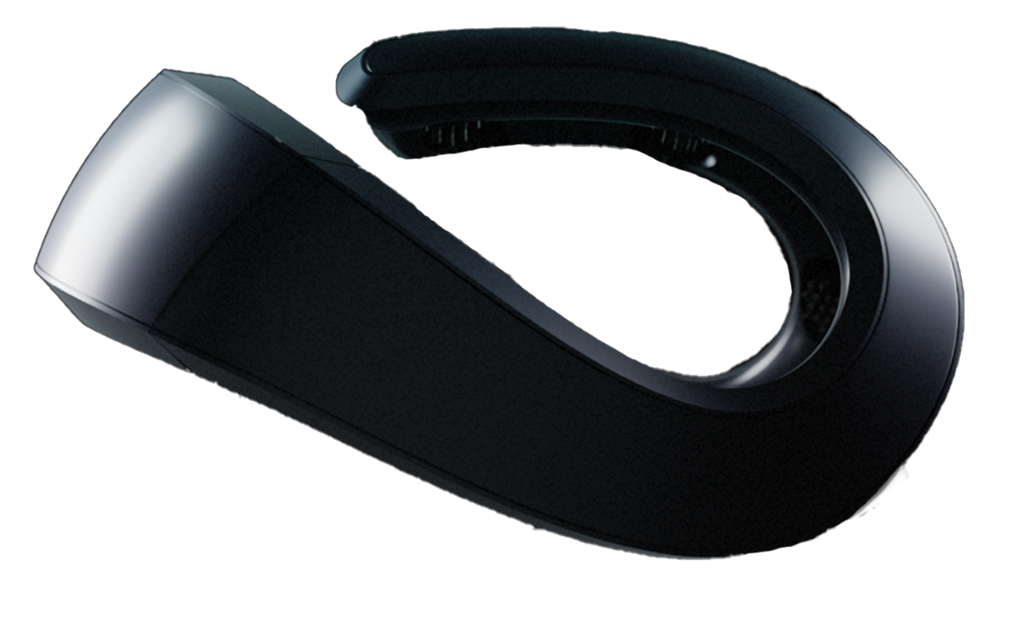
Consumer EEG has matured to the point where the brainwave signatures described in this guide are measurable at home. The Neurosity Crown, with 8 EEG channels positioned at CP3, C3, F5, PO3, PO4, F6, C4, and CP4, covers both frontal and parietal regions, exactly the areas where mindfulness and TM produce their most distinctive signals. Sampling at 256Hz, it captures the full frequency spectrum from slow theta oscillations through high gamma activity.
What makes this practical, not just technically possible, is the Crown's real-time data pipeline. You can watch your power-by-band data shift as you enter meditation. You can see your alpha power rise. You can track whether frontal theta increases during focused attention practice. The Crown's built-in calm and focus scores provide an accessible entry point: calm scores reflect the kind of relaxed, coherent state associated with TM-style practice, while focus scores track the attentional engagement characteristic of mindfulness.
For developers and researchers, the Crown's JavaScript and Python SDKs open up deeper possibilities. You can build custom visualizations that track inter-channel coherence in real-time, essentially watching whether your alpha waves are synchronizing across hemispheres during TM. You can log session data over weeks and months to track how your baseline brainwave patterns change with practice. Through the Neurosity MCP integration, you can even pipe your meditation EEG data into AI tools like Claude to analyze patterns across sessions and get personalized insights about your practice.
This isn't about replacing the subjective experience of meditation with numbers. It's about adding a dimension of feedback that meditators have never had access to before. For thousands of years, the only way to know if your meditation was "working" was how you felt afterward. Now you can see what your brain is actually doing while you sit.
So Which One Should You Practice?
If you've read this far hoping for a definitive answer, here's the honest one: it depends on what you're trying to do.
Want to train your attention like a muscle, build emotional resilience, and develop the ability to observe your own mental patterns with clarity? The evidence supports mindfulness. The gamma and theta increases reflect a brain that is actively building the neural infrastructure of self-regulation.
Want to reduce physiological stress, lower blood pressure, access a state of deep rest that carries over into daily life, and develop a kind of effortless, integrated brain functioning? The alpha coherence data behind TM is genuine and compelling.
Want both? There's no rule that says you have to pick one. Some practitioners alternate between techniques on different days. Some use mindfulness during high-stress periods when they need sharpened attention and TM during recovery periods when they need deep rest. Your brain is plastic enough to benefit from both.
The most important finding in all of this research is not that one technique beats the other. It's that meditation, in any well-practiced form, physically changes the brain. It's that sitting quietly and doing something structured with your attention for 20 minutes a day, whether that's focused monitoring or effortless mantra repetition, produces measurable, lasting alterations in neural function.
Your brain is generating electrical patterns right now, as you read this sentence. Patterns that reflect your attention, your emotional state, your level of cognitive engagement. Those patterns are not fixed. They are not your destiny. They are your starting point.
The question is not "mindfulness or TM?" The question is: what do you want your brain to become? And are you willing to sit still long enough to find out?