


Neurofeedback for OCD: What the Research Shows

The Brain That Cannot Stop Checking
Imagine you leave your house in the morning. You lock the door. You check that you locked it. You walk to your car. And then a thought fires in your brain: "Did I actually lock the door?" You know you did. You remember doing it. But the feeling, this grinding, electric certainty that something is wrong, does not go away. So you go back and check again. And again. And the third time you walk back to that door, you know perfectly well that this is irrational. You know the door is locked. But knowing does not help.
That is what obsessive-compulsive disorder feels like from the inside. And the reason knowing does not help is that OCD is not a problem with your knowledge. It is a problem with your brain's hardware.
Specifically, it is a problem with the circuits that detect errors, evaluate threats, and generate the feeling of "something is not right." In a healthy brain, these circuits fire, deliver their message, and quiet down. In an OCD brain, they fire and then get stuck in a loop, like a car alarm that keeps going off after the threat has passed.
The question neurofeedback researchers have been asking is: if we can see this stuck circuit on EEG, and we can, can we train the brain to unstick it?
The OCD Brain Under the Microscope
Before we can talk about training the OCD brain, we need to understand what makes it different. And the differences are remarkably specific.
The Cortico-Striato-Thalamo-Cortical Loop (Say That Five Times Fast)
OCD is one of the most well-mapped psychiatric conditions in neuroscience. Decades of neuroimaging research have converged on a specific circuit: the cortico-striato-thalamo-cortical (CSTC) loop. This circuit connects the orbitofrontal cortex (which evaluates whether something is wrong), the striatum (which selects between competing action plans), and the thalamus (which gates sensory information to the cortex).
In healthy brains, this circuit works like a smooth feedback loop. You notice something potentially wrong (the stove might be on), the circuit evaluates the situation (you turned it off five minutes ago), and the thalamus shuts the gate, letting you move on with your day.
In OCD, the circuit is hyperactive. The orbitofrontal cortex keeps sending "something is wrong" signals. The striatum cannot suppress the competing action (go check again). And the thalamic gate stays open, flooding the cortex with the same error signal over and over. The person is fully aware that the thought is irrational. But rationality lives in the prefrontal cortex, and it is being drowned out by a much louder, more primal alarm system.
What EEG Sees: The Electrical Fingerprint of OCD
This hyperactive circuit produces a distinctive electrical signature that shows up on EEG. If you are measuring brainwaves in someone with OCD, here is what you would typically see.
Excessive high-beta activity (20-30 Hz) over frontal regions. High-beta is associated with hyperarousal, rumination, and anxiety. In OCD, it reflects the brain's error-detection system running in overdrive. The frontal cortex is essentially "hot," burning through energy as it processes the same threatening thought again and again.
Elevated frontal theta (4-8 Hz). This seems paradoxical at first. Theta is usually associated with drowsiness or mind-wandering. But frontal midline theta, specifically at the Fz electrode site, is different. It reflects activity in the anterior cingulate cortex, a structure that monitors conflict between competing responses. In OCD, this conflict monitor is working overtime because the brain is perpetually caught between "I know this is fine" and "But what if it is not?"
Reduced alpha (8-13 Hz). Alpha is your brain's idle state. It is the electrical signature of a relaxed, alert brain that is not fixated on anything in particular. In OCD, alpha power is often suppressed, because the brain is always fixated on something. It cannot idle. It cannot rest. The engine is always revving.
Frontal hypercoherence. Coherence measures how synchronized the electrical activity is between different brain regions. High coherence between frontal sites in OCD reflects the rigid, locked-in nature of the obsessive circuit. Healthy brains show flexible, dynamic connectivity. OCD brains show regions that are "stuck together," oscillating in lockstep.
| EEG Feature | What It Reflects | Location | Direction in OCD |
|---|---|---|---|
| High-beta (20-30 Hz) | Hyperarousal, rumination | Frontal (F3, F4, Fz) | Elevated |
| Frontal midline theta | Conflict monitoring | Frontal midline (Fz) | Elevated |
| Alpha (8-13 Hz) | Relaxed alertness, idling | Parietal, occipital | Reduced |
| Frontal coherence | Inter-regional connectivity | Frontal bilateral | Hypercoherent |
| Beta/alpha ratio | Arousal vs. relaxation balance | Frontal-central | Elevated |
Training the Stuck Circuit: How Neurofeedback Targets OCD
Here is where the logic clicks. If OCD involves identifiable, abnormal EEG patterns, and neurofeedback trains people to modify their own EEG patterns, then neurofeedback should be able to target the specific signatures of OCD.
And that is exactly what researchers have been testing.
The SMR Protocol: Teaching the Brain to Idle
One of the most studied neurofeedback protocols for OCD targets the sensorimotor rhythm (SMR), a 12 to 15 Hz oscillation recorded over the central cortex (around the C3 and C4 electrode positions). SMR is associated with a calm, focused, inhibitory state. Think of it as the brain's "ready but not reactive" mode.
The theory behind SMR training for OCD is straightforward. OCD involves a failure of inhibition. The CSTC circuit cannot shut itself off. SMR reflects successful inhibitory processing. Training the brain to produce more SMR should, in principle, strengthen the neural pathways responsible for inhibition, including the same pathways that fail in OCD.
A 2019 study by Barzegary and colleagues randomized 30 OCD patients to either 20 sessions of SMR neurofeedback or a waitlist control. The neurofeedback group showed significant reductions on the Yale-Brown Obsessive Compulsive Scale (Y-BOCS), the gold standard OCD symptom measure. The mean Y-BOCS score dropped from 24.2 (moderate-severe OCD) to 16.8 (mild OCD) in the treatment group, while the control group showed no significant change.
The High-Beta Downtraining Protocol: Quieting the Alarm
Another approach directly targets the excessive high-beta activity seen over frontal regions in OCD. The protocol is simple in concept: place sensors over the frontal cortex, and reward the brain for reducing high-beta power.
A 2021 study in Applied Psychophysiology and Biofeedback tested this approach in 24 treatment-resistant OCD patients who had not responded adequately to SSRIs. After 30 sessions of frontal high-beta downtraining, 62 percent of participants met criteria for treatment response (35 percent or greater reduction in Y-BOCS scores). This in a group that had already failed first-line treatment.
Approximately 40 to 60 percent of OCD patients do not achieve adequate symptom relief from first-line treatments (SSRIs and/or CBT with ERP). For this population, options are limited. Second-line medications carry more side effects, and deep brain stimulation, while effective for severe cases, involves surgery. Neurofeedback occupies an interesting middle ground: it is non-invasive, has minimal side effects, and targets the specific neural circuitry involved in OCD. Even if it helps only a fraction of treatment-resistant patients, it fills a real clinical gap.
The Alpha-Theta Protocol: Going Deeper
Alpha-theta training asks the brain to increase alpha (relaxation) and theta (deep, meditative states) while reducing beta. This protocol was originally developed for PTSD and addiction but has been adapted for OCD.
The rationale for OCD is slightly different from the other protocols. Rather than targeting the specific stuck circuit, alpha-theta training aims to shift the brain's overall arousal level. OCD brains are chronically hyperaroused. They cannot relax. They cannot reach the deeply restful states where the brain consolidates learning and resets its baseline patterns. Alpha-theta training essentially teaches the brain to enter these states voluntarily.
A small 2020 controlled trial found that 20 sessions of alpha-theta training reduced both OCD symptoms and trait anxiety in patients with OCD. The effects were most pronounced in patients whose OCD was primarily driven by anxiety-based obsessions rather than harm-related or contamination obsessions, suggesting that different OCD subtypes might respond to different neurofeedback approaches.
What the Meta-Analyses Say
Individual studies are encouraging, but the gold standard in evidence-based medicine is the meta-analysis, which pools data across studies to estimate the true effect.
A 2019 meta-analysis published in Clinical Psychology Review examined all controlled studies of neurofeedback for OCD up to that point. The pooled effect size was moderate (Cohen's d = 0.64), meaning neurofeedback produced meaningful symptom reduction compared to controls. For context, a Cohen's d of 0.2 is considered small, 0.5 is medium, and 0.8 is large.
An updated 2023 systematic review in Neuroscience and Biobehavioral Reviews included more recent studies and reached a similar conclusion: neurofeedback shows consistent, moderate effects on OCD symptoms. The review noted that studies with more sessions (30+), more channels, and individualized protocols (based on each patient's specific EEG profile) tended to show larger effects.
The Honest Limitations
No responsible discussion of this evidence can skip the caveats.
Sample sizes are small. Most OCD neurofeedback studies involve 20 to 40 participants. This is enough to detect large effects but not enough to reliably detect smaller ones or to identify which patients benefit most. We need larger trials.
Sham controls are inconsistent. Some studies use sham neurofeedback (where the feedback is not contingent on the participant's actual brain activity) as a control. Others use waitlist controls. The sham-controlled studies tend to show smaller effects, which raises the question of how much of the benefit is specific to the neurofeedback training versus non-specific factors like expectation, attention, and the therapeutic relationship.
Protocol heterogeneity. Different studies use different protocols (SMR, high-beta downtraining, alpha-theta, combinations), different numbers of sessions, different sensor placements, and different outcome measures. This makes it genuinely hard to compare across studies and to identify the "best" approach.
Long-term follow-up is sparse. Most studies measure outcomes immediately after treatment. Only a handful have tracked patients for 6 to 12 months afterward. The studies that do include follow-up are encouraging (effects tend to persist), but we need more data.
The responsible conclusion: neurofeedback for OCD is promising and has a plausible neurobiological rationale. It is not yet a first-line treatment, and it probably should not be a standalone treatment. But as an add-on to established therapies, especially for treatment-resistant cases, the evidence is strong enough to warrant continued investigation and cautious clinical use.
The EEG-Guided Approach: Why One Size Does Not Fit All
One of the most important developments in OCD neurofeedback is the recognition that different OCD brains look different on EEG.
Not everyone with OCD has the same pattern. Some show primarily elevated high-beta. Others show primarily elevated theta. Some have frontal hypercoherence. Others show deficits in alpha. A 2022 study using quantitative EEG (qEEG) found at least three distinct EEG subtypes among OCD patients, each associated with different clinical presentations and, critically, different responses to neurofeedback protocols.
This finding has led to a shift toward EEG-guided or personalized neurofeedback, where the protocol is selected based on the individual's specific brain pattern rather than a one-size-fits-all approach.
The logic is compelling. If your OCD is driven primarily by frontal high-beta excess (the "hot" frontal cortex), high-beta downtraining makes sense. If it is driven primarily by alpha deficit (the brain that cannot idle), alpha uptraining might be more appropriate. If it involves hypercoherence (regions stuck in synchrony), coherence-based training could be the answer.
This personalized approach requires two things: a good baseline EEG assessment, and hardware with enough channels to distinguish activity across different brain regions.
A comprehensive baseline for OCD neurofeedback should examine:
Power analysis: Absolute and relative power in each frequency band (delta, theta, alpha, beta, high-beta, gamma) at frontal, central, and parietal sites.
Coherence analysis: The degree of synchronization between electrode sites, particularly across frontal regions (F3-F4, F5-F6).
Asymmetry analysis: Comparing left vs. right hemisphere activity, which can indicate emotional processing biases relevant to OCD subtypes.
Ratio analysis: Theta/beta ratio (attention marker), high-beta/alpha ratio (arousal marker), and frontal-posterior gradients.
With an 8-channel device covering frontal, central, and parietal positions, you can assess most of these features with enough spatial resolution to guide protocol selection.
Combining Neurofeedback with CBT: Better Together
The most exciting clinical results for OCD neurofeedback come from studies that combine it with cognitive behavioral therapy, specifically exposure and response prevention (ERP).
ERP is the gold standard psychological treatment for OCD. It works by gradually exposing the person to their feared situation (the unlocked door, the contaminated surface, the intrusive thought) and preventing the compulsive response (checking, washing, mental rituals). Over time, the anxiety habituates, and the compulsive urge weakens.
ERP works. The evidence is overwhelming. But it is also incredibly hard. Sitting with the full force of OCD anxiety without performing the compulsion is psychologically brutal. Many patients drop out or cannot engage fully with the exposure exercises because their baseline anxiety is too high.
This is where neurofeedback might play its most valuable role. A 2021 pilot study combined 10 sessions of SMR neurofeedback with a standard ERP protocol. The combined group showed significantly greater OCD symptom reduction than an ERP-only group, and critically, the combined group had a lower dropout rate. Neurofeedback appeared to lower baseline arousal enough that patients could tolerate the ERP exercises more effectively.
Think of it this way: ERP teaches you how to respond differently to obsessive thoughts. Neurofeedback changes the brain's electrical baseline so there is less signal to respond to in the first place. One works from the top down (cognitive strategy). The other works from the bottom up (neural regulation). Together, they address both sides of the problem.
Measuring Your Own Patterns
Neurofeedback for OCD is still primarily a clinical practice. But the ability to observe your own brainwave patterns is becoming accessible outside the clinic.
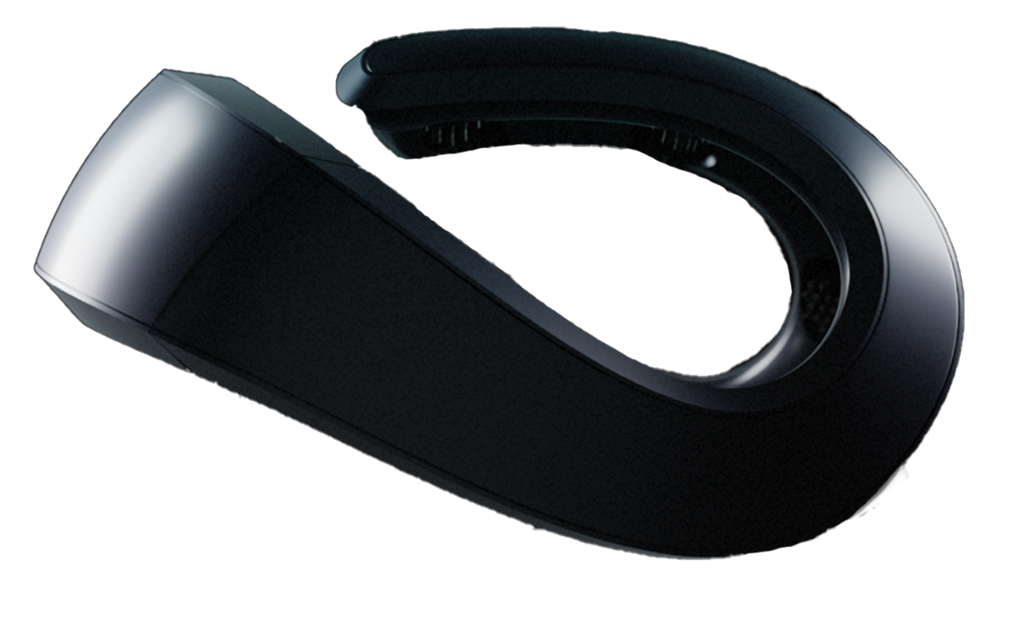
The Neurosity Crown's 8 EEG channels sit at positions CP3, C3, F5, PO3, PO4, F6, C4, and CP4. The frontal channels (F5, F6) are positioned over the prefrontal regions where OCD-related high-beta excess is typically measured. The central channels (C3, C4) cover the sensorimotor cortex where SMR is generated. The parietal channels provide comparison data and alpha measurements.
With the Crown's JavaScript and Python SDKs, developers can build applications that display real-time frequency band power at each channel. You can observe your own high-beta activity over frontal regions. You can track your SMR power over the central cortex. You can watch how your alpha rhythm responds to relaxation techniques. None of this replaces clinical diagnosis or treatment. But it turns an invisible brain process into something you can see, track, and begin to understand.
The Crown's MCP integration adds another layer. AI tools like Claude can analyze your brainwave data in real time, identifying the kinds of patterns that OCD researchers look for and tracking how those patterns change over time or in response to different activities, stressors, or interventions.
The Circuit Can Learn to Unstick
OCD is often described as a brain that is "stuck." And from the perspective of the person living with it, that feels exactly right. The same thought, the same anxiety, the same compulsion, over and over.
But "stuck" implies fixed. And the neurofeedback evidence, limited as it still is, suggests otherwise. The OCD brain is not permanently jammed. It is caught in a dysfunctional pattern, a pattern that EEG can detect and that training can, at least partially, reshape.
The error-detection circuit that fires too often can be calmed. The hyperaroused frontal cortex can learn to idle. The rigid hypercoherence between frontal regions can loosen. Not perfectly. Not for everyone. Not as a cure. But enough, in enough people, to warrant real attention from researchers and real hope from patients.
The science of neurofeedback for OCD is where the science of neurofeedback for ADHD brain patterns was 15 years ago: promising, plausible, underpowered, and in need of larger trials. But the trajectory is the same. And the technology for measuring and training brainwaves is now more accessible than it has ever been.
Your brain's electrical patterns are not destiny. They are habits. And habits, even deeply ingrained ones, can be changed.