


What SAD Really Is and How Light Fixes It

Every Year, 10 Million Americans Get Depressed on Schedule
September rolls into October. The days shorten. The light thins. And like clockwork, millions of people begin to feel it. A heaviness that doesn't correspond to anything in their lives. A craving for carbohydrates that borders on compulsive. Sleep that stretches to 10, 11, 12 hours and still doesn't feel like enough. A slow withdrawal from friends, plans, and the things that normally matter.
If you've experienced this, you've probably been told it's the "winter blues." Buck up. Get a hobby. Maybe take some vitamin D.
But here's what's actually happening: your brain's master clock is drifting out of alignment, and it's dragging your neurochemistry with it.
Seasonal affective disorder isn't a mood problem. It's a timing problem. The circadian system in your hypothalamus, the same one that tells you when to sleep, when to wake, when to eat, and when to produce the neurotransmitters that regulate mood, is losing its anchor. And the anchor it's losing is light.
The story of SAD is, in many ways, the story of what happens when a brain designed for equatorial Africa tries to function at 47 degrees north latitude in December. The mismatch is precise, measurable, and, once you understand the mechanism, surprisingly fixable.
The Phase Shift Hypothesis: Your Clock Is Running Late
In the 1980s, a psychiatrist named Norman Rosenthal at the National Institute of Mental Health described and named seasonal affective disorder. He'd noticed that some of his patients got depressed every winter with remarkable consistency, then recovered every spring. The pattern was too regular to be coincidental. Something environmental was driving it.
Around the same time, chronobiologist Alfred Lewy was developing what would become the dominant explanation: the phase shift hypothesis.
Here's the core idea. Your suprachiasmatic nucleus (SCN), the master clock in your hypothalamus, runs on a cycle that's slightly longer than 24 hours (about 24.2 hours in most people). Every morning, bright light entering your eyes resets this clock, advancing it back to the correct time. Without that daily reset, the clock drifts later, a phenomenon called phase delay.
During summer, there's plenty of morning light to keep the SCN on schedule. During winter, morning light is dim, arrives later, and provides less total photic input. For most people, the winter reduction in light is still sufficient to keep the clock adequately synchronized. But for about 5% of the population, it isn't. Their circadian system is more sensitive to the reduced light signal, and their SCN begins to phase-delay significantly.
When the clock delays, everything it controls delays with it.
Melatonin production extends into morning hours. Melatonin, the hormone that signals darkness and promotes sleep, normally shuts off shortly after waking in response to morning light. In SAD patients, melatonin secretion extends well into the morning, producing the characteristic overwhelming sleepiness and difficulty waking that define winter depression.
The cortisol awakening response is blunted. Normally, cortisol surges within 30 to 45 minutes of waking, providing the neurochemical kick-start for your day. In SAD, this surge is diminished, leaving patients in a state of persistent grogginess that no amount of coffee can fully overcome.
Serotonin production timing shifts. The daily rhythm of serotonin synthesis, normally peaking during midday light exposure, loses its structure. Both the timing and total quantity of serotonin production decrease.
The result is a cascade of symptoms that maps almost perfectly onto the clinical picture of SAD: hypersomnia, fatigue, depressed mood, difficulty concentrating, social withdrawal, and carbohydrate craving (which may represent the body's attempt to increase tryptophan availability for serotonin synthesis).
The Serotonin Transporter Discovery: Your Brain Literally Changes in Winter
The phase shift hypothesis explains the timing component of SAD. But in 2014, a research team in Copenhagen added another piece to the puzzle that was, frankly, stunning.
Using PET brain scans, they measured the density of serotonin transporters (5-HTT) in the brains of 58 healthy volunteers at different times of year. Serotonin transporters are the proteins that vacuum up serotonin from the synapse after it's released, effectively ending its mood-enhancing signal. More transporters means serotonin gets cleared faster. Less serotonin hanging around in the synapse. Reduced serotonergic tone.
What they found: serotonin transporter density was significantly higher in winter than in summer. The brain was literally producing more serotonin vacuum cleaners during the dark months, actively reducing the amount of serotonin available for mood regulation.
This finding meant that SAD involves not just disrupted timing of serotonin production but also accelerated serotonin clearance. It's a double hit. Less serotonin is being made (due to reduced light input and lower vitamin D), and the serotonin that is made gets removed from the synapse faster (due to upregulated transporter density).
The degree of transporter upregulation varied between individuals, which helps explain why some people experience mild winter mood changes while others develop full clinical depression. It also explains why SSRIs (selective serotonin reuptake inhibitors), which work by blocking serotonin transporters, are effective treatments for SAD. They're directly counteracting the seasonal increase in transporter density.
But here's the thing. Light therapy appears to do the same thing, without the medication. Studies show that successful light therapy reduces serotonin transporter density toward summer-like levels. The light isn't just resetting the clock. It's changing the brain's serotonin infrastructure.
The 10,000 Lux Protocol: Why It Works and Why Timing Is Everything
The standard light therapy protocol for SAD is deceptively simple: sit in front of a 10,000 lux light box for 30 minutes within the first hour after waking. That's it.
The simplicity of the intervention belies the precision of the mechanism. Let's break down why each element matters.
10,000 lux. This intensity was chosen because it approximates the brightness of being outdoors on a clear day about 40 minutes after sunrise. It's above the threshold required to fully activate the melanopsin-containing retinal ganglion cells that drive the circadian system. Lower intensities (2,500 lux) work too, but require longer exposure times, roughly two hours instead of 30 minutes.
30 minutes. This duration provides sufficient photic stimulation to advance the circadian phase by approximately 1 to 2 hours, which is enough to correct the winter phase delay in most SAD patients. Longer sessions provide diminishing returns and can cause side effects like headache and eye strain.
Morning timing. This is the most critical variable, and it's where many people go wrong. Morning light therapy advances the circadian clock (makes it earlier). Evening light therapy delays the clock (makes it later). Since SAD is primarily a phase-delay disorder, morning light is the correct treatment. Evening light therapy can actually worsen SAD symptoms by pushing the already-late clock even later.
Researcher Michael Terman developed the Morningness-Eveningness Questionnaire (MEQ) to help SAD patients determine their ideal light therapy timing. As a general rule, the optimal window is within 30 minutes of your natural wake time. If you naturally wake at 7 AM, start light therapy between 7:00 and 7:30 AM. Starting too early (before your natural wake time) can cause phase advances that are too aggressive, leading to early morning awakening and irritability.
The clinical evidence for this protocol is strong. A pivotal study by Terman and Terman published in the American Journal of Psychiatry compared morning bright light therapy, evening bright light therapy, and morning dim light (placebo). Morning bright light produced a remission rate of 53%, significantly higher than either evening light (38%) or placebo (32%). A separate study comparing light therapy to fluoxetine (Prozac) found comparable efficacy, with light therapy showing faster onset of action.
What EEG Reveals About the SAD Brain
If SAD is a circadian timing disorder with downstream effects on serotonin, you'd expect to see it in brainwave patterns. And you do.
EEG studies of SAD patients consistently show several characteristic patterns:
Frontal alpha asymmetry. In healthy individuals, alpha brainwaves activity tends to be relatively balanced between the left and right frontal regions, or shows a slight left-frontal dominance (associated with approach motivation and positive affect). SAD patients show increased right-frontal alpha dominance, a pattern associated with withdrawal motivation, avoidance behavior, and negative affect. This asymmetry correlates with depression severity and normalizes with successful treatment.
Reduced overall alpha power. Alpha waves (8-12 Hz) are the brain's "idle" rhythm, reflecting a state of relaxed alertness. SAD patients often show reduced alpha power, particularly in the posterior regions, which may reflect disrupted thalamic regulation secondary to circadian misalignment.
Altered theta-beta ratios. Some studies have found elevated frontal theta-to-beta ratios in SAD, a pattern also seen in ADHD brain patterns and associated with difficulty sustaining attention. This aligns with the concentration difficulties that SAD patients report and may reflect reduced prefrontal cortex arousal due to blunted cortisol awakening response.
Delayed cortical arousal patterns. When measured across the day, SAD patients show later peaks in high-frequency (beta/gamma) activity associated with alertness and cognitive engagement. The brain's daily activation curve is shifted later, mirroring the phase delay in the circadian clock.
These aren't subtle findings. They're consistent, replicated patterns that track with symptom severity and normalize with effective treatment. They also represent an opportunity for objective monitoring of SAD that doesn't rely solely on subjective mood reports.
Beyond the Light Box: Dawn Simulation, Blue Light, and the Cutting Edge
The 10,000 lux white light box is the gold standard, but it's not the only approach researchers have explored. Several alternatives have shown promise, each targeting the circadian mechanism from a different angle.
Dawn simulation. Instead of blasting your retinas with bright light after you wake, dawn simulators gradually increase light intensity in your bedroom over 30 to 90 minutes before your alarm goes off, mimicking a natural sunrise. The light enters your closed eyelids (which transmit a small percentage of light) and begins the circadian phase advance before you're even conscious. A study by Terman and Terman found that dawn simulation was nearly as effective as bright light therapy for SAD, with some patients preferring it because it didn't require actively sitting in front of a lamp.
Blue-enriched light. Since melanopsin responds most strongly to 480-nanometer blue light, several companies have developed light therapy devices that use blue-enriched LEDs instead of full-spectrum white light. The advantage is that smaller, less intense devices can deliver sufficient melanopsin stimulation. The disadvantage is that concentrated blue light may pose long-term retinal safety concerns, though the evidence on this is mixed. A 2006 study in BMC Psychiatry found that blue light at just 398 lux was as effective as standard white light at 10,000 lux, which makes sense given that the melanopsin system doesn't care about total brightness, just about blue photon density.
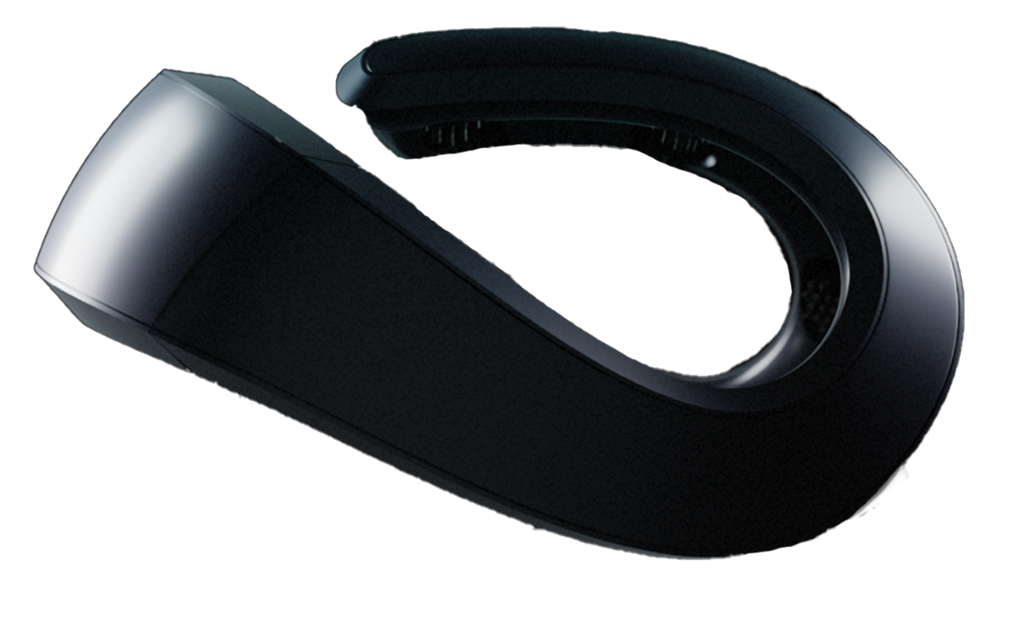
Light therapy glasses. Wearable devices that project light toward the eyes have been developed to make light therapy more portable and convenient. Studies show mixed results. The concept is sound, but the practical challenge of delivering sufficient light intensity at the correct angle to the retina from a glasses-mounted device is significant. Some products achieve therapeutic intensity; many do not.
Negative air ionization. In a surprising finding, Terman and colleagues discovered that high-density negative air ion generators (producing 2.7 trillion ions per second) showed antidepressant effects comparable to bright light therapy for SAD. The mechanism is poorly understood, but it may involve ion interactions with serotonin metabolism. This remains a niche treatment, but it's a reminder that the biology of SAD may involve more pathways than we currently appreciate.
The Latitude Gradient: A Natural Experiment in Light Deprivation
One of the most compelling pieces of evidence for the light-SAD connection is the latitude gradient. SAD prevalence increases as you move away from the equator, tracking almost perfectly with winter day length.
At the equator, day length varies by less than an hour across the year. SAD is virtually nonexistent. In Florida (latitude 27°N), SAD prevalence is about 1.4%. In New York (latitude 40°N), it's about 4.7%. In Fairbanks, Alaska (latitude 64°N), it's about 9.2%.
But the gradient isn't perfectly linear. Iceland, at 64°N, has surprisingly low SAD rates relative to its latitude, leading to speculation about genetic adaptation. Icelanders have lived at extreme latitudes for over 1,100 years, which is potentially enough generations for natural selection to favor genetic variants that produce less light-sensitive circadian systems. Studies have found that Icelanders living in Canada have lower SAD rates than other Canadian-born individuals at the same latitude, supporting the genetic hypothesis.
On the other hand, some equatorial and subtropical populations show higher-than-expected SAD rates when they migrate to northern latitudes. People of South Asian and African descent living in northern Europe and North America appear to have higher SAD vulnerability, possibly because their circadian systems evolved in environments with consistently strong solar input and are more disrupted by northern winter light conditions.
This pattern suggests that SAD vulnerability is partly genetic, partly environmental, and partly a mismatch between the two. Your brain has a specific expectation about how much light it should receive, calibrated by the latitude where your ancestors spent thousands of years. When your current environment deviates significantly from that expectation, the risk of circadian disruption increases.
The Carbohydrate Craving Connection: Your Brain Is Self-Medicating
One of the most characteristic symptoms of SAD is an intense craving for carbohydrate-rich foods, particularly starchy and sugary foods. This isn't a quirk. It's a neurochemical strategy.
Carbohydrate consumption triggers insulin release. Insulin clears competing amino acids from the bloodstream, allowing tryptophan (the precursor to serotonin) preferential access to cross the blood-brain barrier. More tryptophan in the brain means more raw material for serotonin synthesis.
In other words, the SAD brain is trying to self-medicate its serotonin deficit by driving tryptophan into the brain through carbohydrate-induced insulin surges. The craving isn't weakness or lack of discipline. It's your brain's attempt to compensate for a light-driven disruption in serotonin production.
This mechanism was first proposed by Judith Wurtman at MIT, and subsequent research has largely supported it. SAD patients who consume carbohydrate-rich meals show temporary mood improvement, consistent with a serotonin-boosting effect. Of course, this self-medication strategy comes with costs: weight gain, blood sugar dysregulation, and a cycle of craving and temporary relief that doesn't address the underlying circadian disruption.
Understanding this mechanism changes how you think about the carbohydrate cravings. They're not the enemy. They're a signal. Your brain is telling you, in the only way it can, that its serotonin supply is compromised. The correct response isn't to white-knuckle through the cravings. It's to address the root cause: insufficient light.
Building a Seasonal Resilience Protocol
If you're among the 5 to 15% of the population that experiences seasonal mood changes, here's what the research suggests for building resilience against winter's neurochemical assault.
Start light therapy before symptoms appear. The most effective approach is to begin morning light therapy in early autumn, before the days shorten enough to trigger circadian disruption. Think of it as a preventive measure rather than a treatment. Terman's research found that early intervention significantly reduced both the severity and duration of SAD episodes.
Stack with outdoor exposure. Even in winter, outdoor light at midday provides 5,000 to 10,000 lux, far more than indoor lighting. A 20-minute walk at lunch provides meaningful circadian input. When combined with morning light therapy, outdoor midday exposure helps maintain the daytime serotonin peak.
Protect your evening darkness. Light therapy in the morning only works if you don't sabotage it with bright light at night. Excessive evening light exposure, especially from screens, delays melatonin onset and counteracts the phase advance achieved by morning light. Dim your environment 2 to 3 hours before bed. Use warm-toned lights. Consider blue-blocking glasses if screen use is unavoidable.
Monitor vitamin D levels. The vitamin D pathway to serotonin (through TPH2 regulation) is independent of the retinal pathway. Supplementing with vitamin D3 during winter months can support serotonin production even when light exposure is limited. Most researchers recommend maintaining levels between 40 and 60 ng/mL.
Track your patterns. SAD is cyclical and predictable. The more data you have about your personal seasonal patterns, the better you can anticipate and prevent episodes. Tracking sleep duration, mood, energy levels, and, ideally, objective brain metrics gives you an early warning system.
When Your Brain Becomes Its Own Weather Station
Here's what strikes me most about seasonal affective disorder. It's not a disease in the traditional sense. It's a mismatch. A brain that evolved for one light environment trying to operate in another.
This framing matters because it shifts the conversation from "something is wrong with you" to "something is wrong with the signal your brain is receiving." The hardware is working exactly as designed. The problem is the input.
The Neurosity Crown offers something genuinely new in this context. With 8 EEG channels at 256Hz, it can capture the brainwave signatures associated with circadian alignment (or misalignment), mood state, and cognitive arousal. Frontal alpha asymmetry. Cortical arousal curves. Theta-beta ratios. These aren't research abstractions. They're patterns you can track in real time, on your own head, across weeks and months.
Imagine watching your frontal alpha asymmetry shift as the days shorten in October. Seeing the change in your morning cortical arousal patterns as winter light decreases. Then watching those patterns normalize as you add light therapy to your morning routine. Instead of waiting until you feel bad to do something about it, you could see the circadian drift happening in your neural data before it becomes a mood problem.
That's not science fiction. That's what 8 channels of EEG at 256Hz with on-device processing and developer APIs makes possible right now.
The Light at the End of the Tunnel (Literally)
SAD teaches us something important about the relationship between environment and brain function. Your mood is not entirely generated from within. It's partly a response to the signals your environment provides. Change the signals, and you change the mood.
This is simultaneously humbling and empowering. Humbling because it means you're more dependent on your environment than you might like to think. Empowering because environments can be modified. Unlike your genetics or your early childhood experiences, the amount of light that hits your retina every morning is something you can control.
If you take one thing from this guide, let it be this: light is not a nice-to-have for your brain. It's a required input. Your circadian system, your serotonin system, your melatonin system, your cortisol system, and your immune system all depend on receiving adequate light at the right time.
When they get it, everything works. When they don't, the cascade of dysfunction follows a pattern so predictable that we've given it a clinical name.
The sun will return in spring. It always does. But you don't have to wait for it. A 10,000 lux light box, 30 minutes, every morning. That's the reset button your brain has been looking for.