


The Best Sauna Routines for Your Brain

The Finns Figured Something Out 2,000 Years Ago. Neuroscience Just Caught Up.
Finland has roughly 3.3 million saunas for a population of 5.5 million people. That's more saunas than cars. The practice is so deeply woven into Finnish culture that business deals happen there, babies were traditionally born there, and the word "sauna" is one of the few Finnish words to enter the English language unchanged.
For most of history, nobody questioned why the Finns were so attached to sitting in extremely hot rooms. It was cultural. Traditional. Just something they did.
Then, in 2016, a research team at the University of Eastern Finland published the results of a 20-year study that tracked 2,315 middle-aged men. The finding stopped cardiologists and neurologists in their tracks: men who used a sauna 4 to 7 times per week had a 65% lower risk of Alzheimer's disease compared to those who used a sauna just once a week.
Not 6.5%. Sixty-five percent.
For context, no pharmaceutical intervention for Alzheimer's prevention has ever come close to that number. The best drugs we have slow cognitive decline by modest amounts in people who already have the disease. Here was a study suggesting that sitting in a hot room, repeatedly, for years, might be one of the most powerful neuroprotective behaviors available to humans.
The Finns didn't know the mechanism. They just knew that the sauna made them feel good and that old Finns who sauna'd regularly seemed to stay sharp. The question for neuroscience became: why?
What Heat Actually Does Inside Your Brain
To understand why sauna routines matter for brain health, you need to understand what happens when your core body temperature rises by 1 to 2 degrees Celsius. Because the cascade of events is far more interesting than "you sweat and feel relaxed."
Heat Shock Proteins: Your Brain's Repair Crew
When your body temperature climbs above its set point, your cells produce a family of molecules called heat shock proteins (HSPs). The name sounds dramatic, and it should. These proteins were discovered in 1962 when scientists noticed that fruit flies exposed to heat activated a specific set of genes. The same system exists in your brain cells.
HSP70 and HSP90, the two most studied heat shock proteins, function as molecular chaperones. Their job is to find misfolded proteins, refold them correctly, and prevent them from clumping together.
Here's the "I had no idea" moment: misfolded, clumped proteins are the hallmark of Alzheimer's disease (amyloid-beta plaques), Parkinson's disease (alpha-synuclein aggregates), and several other neurodegenerative conditions. Heat shock proteins are, essentially, your brain's built-in defense against the molecular signature of neurodegeneration.
Regular sauna use upregulates HSP production. Your cells get better at making these repair molecules, and they start producing them faster and in greater quantities. It's like running fire drills so often that your building's emergency response becomes automatic.
BDNF: Miracle-Gro for Neurons
Brain-derived neurotrophic factor (BDNF) is a protein that supports the survival of existing neurons and encourages the growth of new neurons and synapses. If heat shock proteins are the repair crew, BDNF is the construction team.
Low BDNF levels are consistently associated with depression, cognitive decline, and neurodegenerative disease. High BDNF levels are associated with better memory, faster learning, and greater resilience to neurological damage.
Heat exposure increases BDNF. A 2021 study published in the Journal of Science and Medicine in Sport found that a single sauna session significantly elevated circulating BDNF levels. Repeated exposure appears to compound this effect, with regular sauna users showing higher baseline BDNF than non-users.
This is the same growth factor that increases with aerobic exercise. The fact that passive heat exposure can trigger some of the same neuroplasticity pathways as running on a treadmill is one of the most compelling findings in the sauna-brain research.
Cerebral Blood Flow: Turning Up the Supply Line
Your brain consumes roughly 20% of your body's oxygen despite being only 2% of your body weight. It's the most metabolically demanding organ you have, and its performance depends critically on blood flow.
Sauna exposure increases heart rate to 100-150 beats per minute, comparable to moderate-intensity exercise. Cardiac output can increase by 60-70%. And critically, cerebral blood flow increases, delivering more oxygen, glucose, and nutrients to neurons.
Chronic improvements in vascular function from repeated sauna use may explain part of the Alzheimer's risk reduction. Vascular problems are increasingly recognized as a major contributor to dementia, and anything that keeps blood flowing efficiently to the brain is, by definition, neuroprotective.
Cortisol and the Stress Reset
Here's a counterintuitive piece: sauna is a stressor. Your body responds to extreme heat the way it responds to other acute stresses, with cortisol release, sympathetic nervous system activation, and an elevated heart rate.
But this is the good kind of stress. Biologists call it hormesis: a moderate stressor that, when applied repeatedly, strengthens the system it stresses. The same principle underlies exercise, fasting, and cold exposure.
Regular sauna users show lower baseline cortisol levels over time. Their hypothalamic-pituitary-adrenal (HPA) axis becomes more efficient, producing an appropriate stress response when needed but returning to baseline faster. This is the neurochemical signature of resilience, and it has direct implications for anxiety, sleep quality, and long-term brain health.
The Sauna Protocols, Ranked for Brain Health
Not all heat exposure is equal. Temperature, duration, frequency, and sauna type all matter. Here's how the major protocols stack up, based on available research and practical considerations.
| Protocol | Temperature | Session Length | Frequency | Research Strength |
|---|---|---|---|---|
| Finnish Sauna | 80-100C (176-212F) | 15-20 min | 4-7x/week | Strong (20-year studies) |
| Infrared Sauna | 45-60C (113-140F) | 30-45 min | 3-5x/week | Moderate (growing) |
| Contrast Therapy | Hot/cold cycling | 10-15 min total | 3-4x/week | Moderate |
| Steam Room | 40-50C (104-122F) | 15-20 min | 3-5x/week | Limited |
| Portable Sauna | 50-70C (122-158F) | 20-30 min | 3-5x/week | Very limited |
1. Traditional Finnish Sauna (The Gold Standard)
Temperature: 80-100C (176-212F) Duration: 15-20 minutes per session, often 2-3 rounds with cooling breaks Frequency: 4-7 sessions per week for maximum neuroprotective benefit Humidity: Low (10-20%), with periodic water thrown on hot stones (loyly)
This is where the strongest evidence lives, and it's not close. The Kuopio Ischaemic Heart Disease Risk Factor Study (KIHD), the landmark 20-year Finnish study, used traditional Finnish saunas at these temperatures. When you hear the "65% Alzheimer's risk reduction" number, this is the protocol behind it.
The dose-response relationship is striking. Compared to once-weekly sauna use:
- 2-3 sessions per week: 22% lower Alzheimer's risk
- 4-7 sessions per week: 65% lower Alzheimer's risk
There's a clear "more is better" curve here, at least up to daily use. The KIHD study also found that longer sessions (over 19 minutes) provided greater benefit than shorter ones (under 11 minutes), suggesting that both frequency and duration matter.
The core body temperature increase from a traditional Finnish sauna session is typically 1-2C, which is the threshold that appears necessary to trigger strong heat shock protein production and BDNF release.
Traditional Finnish saunas are intense. If you're new to sauna, start with 5-10 minutes at the lower end of the temperature range (80C) and work up gradually over weeks. Stay hydrated. Leave immediately if you feel dizzy, nauseous, or confused. People with cardiovascular conditions, pregnant women, and anyone on medications that affect blood pressure or heart rate should consult a physician before beginning a sauna practice.
2. Infrared Sauna (The Accessible Alternative)
Temperature: 45-60C (113-140F) Duration: 30-45 minutes per session Frequency: 3-5 sessions per week Type: Far-infrared panels that heat the body directly rather than heating the air
Infrared saunas work differently from traditional saunas. Instead of heating the air around you (convective heat), they emit far-infrared wavelengths (6-12 micrometers) that penetrate the skin and heat your body directly from within. The air temperature stays much lower, which many people find more tolerable.
The research question is whether this lower-temperature approach triggers the same neuroprotective mechanisms as traditional saunas. The honest answer: we don't know for sure yet.
What we do know is that infrared saunas can raise core body temperature by 1-2C, the same range as traditional saunas, though it takes longer. If the neuroprotective benefits of sauna are primarily driven by core temperature elevation (which the evidence suggests), then infrared saunas should theoretically deliver similar results.
Several smaller studies support this. A 2009 study in Psychosomatic Medicine found that repeated infrared sauna sessions improved symptoms of chronic fatigue syndrome, which involves significant cognitive complaints. A 2015 study found that infrared sauna use improved endothelial function, a marker of vascular health relevant to cerebral blood flow.
But here's the caveat: there is no 20-year, 2,315-person study of infrared sauna users tracking Alzheimer's incidence. The Finnish data is specific to Finnish saunas. Extrapolating from one to the other is reasonable but not proven.
Best for: People who can't tolerate high heat, those with limited access to traditional saunas, individuals who want a longer and more comfortable session, and anyone who prefers to install a unit at home (infrared saunas are cheaper and easier to install than traditional ones).
3. Contrast Therapy (The Neurological Rollercoaster)
Protocol: Alternate between 10-15 minutes in a hot sauna (80-100C) and 1-3 minutes of cold exposure (cold plunge at 10-15C, cold shower, or outdoor cold air) Rounds: 2-4 cycles Frequency: 3-4 sessions per week
Contrast therapy combines two powerful hormetic stressors in rapid succession. The hot phase triggers heat shock proteins, BDNF, and vasodilation. The cold phase triggers norepinephrine release (200-300% increase), dopamine release (up to 250% above baseline), and vasoconstriction.
The rapid cycling between vasodilation and vasoconstriction is essentially a workout for your blood vessels, including the cerebral vasculature. This vascular "gymnastics" may improve cerebrovascular reactivity, your blood vessels' ability to respond quickly to changes in demand. Poor cerebrovascular reactivity is a risk factor for stroke and vascular dementia.
Nordic cultures have practiced hot-cold alternation for centuries. The Finnish avanto tradition involves moving between the sauna and a hole cut in lake ice. Scandinavian research on this practice shows improvements in autonomic nervous system function, mood regulation, and subjective well-being.
The neurochemical profile of contrast therapy is unique. You get the BDNF and heat shock protein benefits from the heat phase, plus the norepinephrine and dopamine surge from the cold phase. Some researchers hypothesize that this combination produces a broader neuroprotective and neuroplastic effect than either stimulus alone, though controlled head-to-head studies are still needed.
Best for: Experienced sauna users looking for maximum neurochemical benefit, athletes interested in recovery and cognitive performance, and anyone who has access to both hot and cold facilities.
4. Steam Rooms (The Gentle Option)
Temperature: 40-50C (104-122F) Humidity: Near 100% Duration: 15-20 minutes Frequency: 3-5 sessions per week
Steam rooms operate at significantly lower temperatures than traditional saunas, but the near-100% humidity means sweat can't evaporate from your skin. This impairs your body's primary cooling mechanism, which can result in a meaningful core temperature increase despite the lower ambient temperature.
The brain health research on steam rooms specifically is limited. Most studies on moist heat focus on cardiovascular outcomes rather than neurological ones. The core temperature elevation from a steam room session is generally lower than from a traditional Finnish sauna, which means the heat shock protein and BDNF response may be attenuated.
That said, steam rooms are widely available, low-cost (most gyms have them), and well-tolerated by people who find dry heat uncomfortable. If a steam room is what you have access to, using it consistently is better than not using any heat exposure at all.
Best for: Beginners, people with respiratory conditions who benefit from humid air, anyone whose only access to heat therapy is a gym steam room.
5. Portable Saunas (The Home Workaround)
Temperature: 50-70C (122-158F) Duration: 20-30 minutes Frequency: 3-5 sessions per week
Portable saunas come in two main varieties: tent-style enclosures with a small heating element and infrared blanket-style wraps. They are affordable ($100-$400), fit in an apartment, and require no installation.
The research base here is essentially nonexistent. No published brain health study has used a portable sauna as the intervention. The temperatures achieved are moderate, typically between a steam room and a traditional sauna. Core body temperature increases will vary significantly depending on the specific product, ambient room temperature, and session duration.
The principle of hormesis suggests that any meaningful, repeated core temperature increase should trigger some degree of heat shock protein and BDNF response. Whether portable saunas achieve a sufficient core temperature increase for clinically meaningful neuroprotection is an open question.
Best for: People with limited space and budget who want to introduce regular heat exposure. A reasonable starting point, but not a substitute for higher-temperature protocols if brain health is your primary goal.
Measuring What Heat Does to Your Brain
There's a gap between knowing that sauna use reduces Alzheimer's risk by 65% over 20 years and knowing what a single sauna session does to your brain today. The epidemiological data is powerful, but it doesn't tell you whether Tuesday's sauna session actually moved the needle.
This is where brain measurement gets interesting.
The EEG Signature of Post-Sauna Brain States
EEG, which measures the electrical activity produced by billions of neurons firing in synchrony, reveals distinct patterns after heat exposure. Research on sauna and thermal stress shows several consistent changes:
Increased alpha power (8-13 Hz). alpha brainwaves are the signature of relaxed, wakeful awareness. They increase when you close your eyes, meditate, or enter a calm but alert state. Post-sauna EEG recordings consistently show elevated alpha activity, particularly over the parietal and occipital regions. This isn't just "feeling relaxed." It's a measurable shift in your brain's dominant electrical rhythm.
Reduced high-beta activity (20-30 Hz). High-beta brainwaves are associated with anxiety, rumination, and hypervigilance. People with anxiety disorders typically show elevated high-beta power. The reduction in high-beta activity after sauna use suggests a genuine neurological calming effect, not just subjective relaxation.
Theta shifts (4-8 Hz). Some studies report increased theta activity post-sauna, particularly in frontal regions. theta brainwaves are associated with the transition between waking and sleeping, meditative states, and creative insight. The post-sauna theta increase may reflect the deeply relaxed, almost dreamlike state that regular sauna users describe.
From Population Data to Personal Data
The Finnish study tells you about averages across thousands of people over decades. EEG tells you about your brain, right now, after this specific session.
That's a different kind of knowledge, and a uniquely valuable one. Because sauna's brain effects aren't identical for everyone. Your response depends on your baseline stress levels, sleep quality, fitness, genetics, and a dozen other variables. The only way to know whether your sauna routine is producing the neurological changes you're after is to measure them.
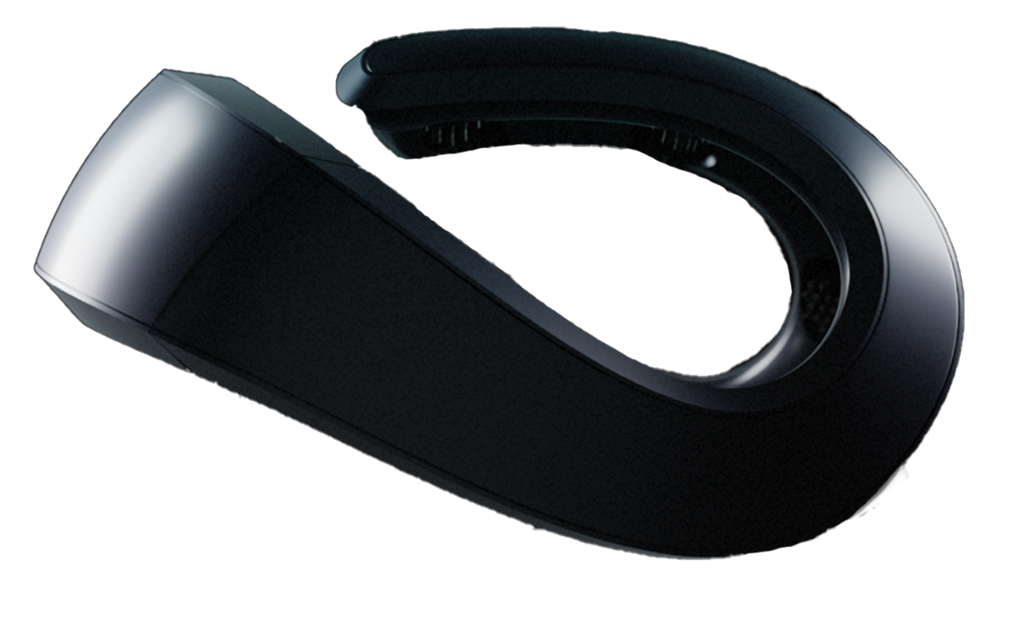
The Neurosity Crown is designed for exactly this kind of personal neuroscience. With 8 EEG channels covering the frontal, central, and parietal-occipital regions at 256Hz sampling, it captures the full spectrum of brainwave activity that changes with heat exposure. You can record a baseline reading before your sauna session, then take a post-session reading 10-15 minutes after cooling down, and compare the two.
One important note: the Crown is not designed for use inside a sauna. Electronics and extreme heat don't mix. But as a pre/post measurement tool, it turns sauna from a subjective experience ("I feel more relaxed") into an objective dataset ("My alpha power increased by 23% and my high-beta dropped by 31%").
Over weeks and months of tracking, you can see whether your protocol is working, adjust duration and frequency based on actual brain data, and identify which sauna routines produce the strongest neurological response for your specific brain.
Building Your Sauna-Brain Protocol
If you've made it this far, you understand the mechanisms, the protocols, and the measurement approach. Here's how to put it all together.
For Brain Health Beginners
Start with whatever heat exposure you can access consistently. Consistency matters more than perfection. A steam room 3 times a week will do more for your brain than a Finnish sauna you use once a month.
Begin with 10-15 minute sessions at moderate temperatures. Increase duration and frequency gradually over 4-6 weeks. Your body acclimates to heat stress, and that acclimatization itself is part of the neuroprotective response.
Hydrate aggressively. Your brain is roughly 75% water, and even mild dehydration impairs cognitive function and may reduce the benefits of heat exposure.
For Experienced Sauna Users
If you already have a regular sauna practice, the research suggests pushing toward the 4-7 sessions per week range that showed the greatest neuroprotective benefit in the KIHD study. Sessions of 15-20 minutes at 80C or above appear to be the threshold for strong heat shock protein and BDNF induction.
Consider adding contrast therapy 2-3 times per week. The combination of heat and cold stress appears to produce broader neurochemical benefits than either alone.
For the Data-Driven
Track your sessions. Record temperature, duration, and subjective state. If you have access to EEG measurement, take periodic pre/post readings to quantify your brain's response. Look for trends in alpha power, high-beta reduction, and overall calm scores over weeks and months.
This kind of longitudinal personal data is what transforms sauna from a wellness habit into a precision brain health protocol. You're not guessing. You're measuring.
The 2,000-Year Experiment
Here's what strikes me about the sauna-brain story. The Finns didn't have fMRI machines. They didn't know about heat shock proteins or BDNF. They didn't run 20-year prospective cohort studies. They just built hot rooms, sat in them regularly, and noticed that it made life better.
Two millennia later, neuroscience has given us the molecular explanation for what they discovered through cultural practice. Heat shock proteins repair the misfolded proteins that cause neurodegeneration. BDNF grows new neural connections. Cerebral blood flow delivers the supplies your brain needs to function. Cortisol regulation builds resilience against the chronic stress that slowly degrades cognitive function.
The 65% Alzheimer's risk reduction isn't magic. It's biology responding to an environmental stimulus that our species encountered regularly for most of its existence, and that modern indoor life has almost entirely eliminated.
The question isn't whether heat is good for your brain. The science on that is increasingly settled. The question is whether you'll build a practice around it, track your response, and treat your brain with the same intentionality you'd give any other organ that determines the quality of your entire life.
Your brain is producing data about its own state every second of every day. The sauna changes that data. The real question is whether you're paying attention.