


You Have a Second Brain. It's in Your Stomach.

There Are More Neurons in Your Gut Than in Your Spinal Cord
Right now, as you read this sentence, roughly 500 million neurons lining your gastrointestinal tract are firing. They're processing information, releasing neurotransmitters, and communicating with each other through the same types of synaptic connections that your brain uses.
Five hundred million neurons. That's more than in your entire spinal cord. More than in the brain of most mammals. Enough neural tissue that scientists gave it its own name: the enteric nervous system. And, less formally but more memorably, the "second brain."
Your second brain can do things your first brain can't. It can operate completely independently of the central nervous system, which is why your gut continues to digest food even if the vagus nerve is severed. It has its own reflexes, its own pattern generators, and its own sensory neurons that monitor everything happening in your digestive tract.
But here's the thing that makes the gut-brain axis so fascinating: the second brain doesn't just talk to itself. It talks to your actual brain. Constantly. And your brain talks back. The two-way conversation between your gut and your head, mediated by nerves, hormones, immune molecules, and bacterial metabolites, is one of the most important communication systems in your body. It influences your mood. Your anxiety levels. Your ability to focus. Your memory. Even your susceptibility to neurodegenerative disease.
And until about 20 years ago, almost nobody in neuroscience was paying attention to it.
The Highway Between Your Two Brains
The vagus nerve is the star of the gut-brain axis story, and it deserves its moment.
"Vagus" comes from the Latin word for "wandering," and the name fits perfectly. The vagus nerve is the longest cranial nerve in your body, originating in the brainstem and meandering through your chest and abdomen, branching out to touch your heart, lungs, liver, and the entire length of your gastrointestinal tract. It's a superhighway of information, carrying signals between your organs and your brain.
Here's the detail that changes how you think about this nerve: roughly 80% of vagal fibers are afferent. That means they carry signals from the body to the brain, not the other way around. The vagus nerve is not primarily a command cable sending instructions from headquarters to the field. It's a massive sensor array, constantly uploading information about the state of your gut to your brainstem, which then distributes that information to regions involved in mood, emotion, memory, and cognition.
Your gut is not just digesting. It's reporting.
Michael Gershon, the Columbia University professor who coined the term "second brain" in his 1998 book, put it this way: the gut sends far more information to the brain than the brain sends to the gut. Your conscious experience of your body, your vague sense of whether you feel "good" or "off" on any given day, is heavily influenced by what your vagus nerve is reporting from below.
This is why you feel anxiety in your stomach. Why stress causes digestive problems. Why a "gut feeling" isn't just a metaphor. The gut and brain are not separate systems that occasionally interact. They're two nodes in a single, integrated communication network.
The Chemical Messengers: Serotonin, Dopamine, and GABA Walk Into a Gut
Neurotransmitters are typically associated with the brain. Serotonin regulates mood. Dopamine drives motivation. GABA calms neural activity. These are brain chemicals, right?
Not exactly.
About 90-95% of your body's serotonin is produced in the gut. Not in neurons, but in specialized cells called enterochromaffin cells that line the intestinal wall. Your gut is by far the largest serotonin factory in your body.
Now, before you rush to the conclusion that gut serotonin controls your mood, there's an important caveat. Gut-derived serotonin doesn't cross the blood-brain barrier directly. It can't float up to your brain and make you happy. The brain produces its own serotonin independently.
But the story doesn't end there. Gut serotonin activates vagal afferent fibers that signal the brainstem. It modulates immune cells in the gut wall that produce inflammatory molecules capable of reaching the brain. And the gut bacteria that influence serotonin production also influence the availability of tryptophan, the amino acid precursor that the brain needs to make its own serotonin. So while gut serotonin doesn't directly become brain serotonin, the gut's serotonin system profoundly shapes the conditions under which the brain produces its own supply.
Dopamine follows a similar pattern. About 50% of the body's dopamine is produced in the gastrointestinal tract. And GABA, the brain's primary inhibitory neurotransmitter, is manufactured by multiple species of gut bacteria, particularly Lactobacillus and Bifidobacterium strains.
The gut isn't just a digestive organ that happens to contain some neurotransmitters. It's a massive neurochemical factory whose output influences the brain through at least four distinct pathways: vagal nerve signaling, immune modulation, hormonal signaling, and microbial metabolite production.
| Neurotransmitter | Gut Production | Primary Gut Function | Brain Connection |
|---|---|---|---|
| Serotonin (5-HT) | 90-95% of body's supply | Regulates gut motility and secretion | Activates vagal afferents; influences tryptophan availability for brain serotonin |
| Dopamine | ~50% of body's supply | Modulates gut blood flow and motility | Gut bacteria influence dopamine precursor availability |
| GABA | Produced by Lactobacillus, Bifidobacterium | Inhibitory signaling in enteric nervous system | Vagus nerve transmits GABA-related signals to brain |
| Acetylcholine | Major enteric neurotransmitter | Controls gut muscle contraction | Vagal signaling to brainstem cholinergic systems |
| Norepinephrine | Present in gut wall | Modulates gut immune function | Gut bacteria respond to and produce norepinephrine |
The Vagus Nerve Experiments That Changed Everything
The gut-brain axis went from intriguing theory to established science partly because of a series of remarkable experiments involving mice, bacteria, and the vagus nerve.
In 2011, a team led by John Cryan and Ted Dinan at University College Cork published a study that should be in every neuroscience textbook. They fed mice a strain of Lactobacillus rhamnosus (a common probiotic bacterium) and watched what happened. The mice became less anxious. They showed fewer depressive behaviors. Their corticosterone stress response (the mouse equivalent of cortisol) dampened significantly.
That alone was interesting. What happened next was the part that made the scientific world sit up straight.
Cryan's team then cut the vagus nerve in a second group of mice and repeated the experiment. Same bacteria. Same protocol. But with the vagus nerve severed, the Lactobacillus had zero effect on behavior. The mice remained just as anxious and stressed as controls.
The implication was enormous. The bacteria weren't releasing some magic molecule that drifted through the bloodstream to the brain. They were communicating through the vagus nerve. Cut the wire, and the message didn't get through.
This experiment established a principle that has held up across dozens of subsequent studies: the vagus nerve is the critical relay for many of the gut microbiome's effects on brain function. Your bacteria talk to your gut neurons. Your gut neurons talk to the vagus nerve. The vagus nerve talks to your brainstem. And your brainstem distributes the information to regions that control mood, anxiety, and cognition.
You're not just what you eat. You're what your gut bacteria tell your brain about what you eat.
The Gut-Brain Axis and Your Mood: Why Anxiety Lives in Your Stomach
If you've ever felt butterflies before a presentation, nausea during an argument, or a sinking feeling in your stomach when you received bad news, you've experienced the gut-brain axis in action.
These aren't metaphors. They're physiological events. When your brain's threat-detection systems activate, they send signals down the vagus nerve and through the sympathetic nervous system that directly alter gut function. Blood flow to the gut decreases. Motility changes. The gut's mucosal barrier becomes more permeable. The composition of gut bacteria shifts within hours.
And this works in the other direction too. Gut disturbances send alarm signals to the brain that increase anxiety and lower mood. People with irritable bowel syndrome (IBS) have significantly higher rates of anxiety and depression than the general population. For years, clinicians assumed the mental health issues were causing the gut problems. Now research suggests it often goes the other way: the gut dysfunction drives the psychological symptoms.
A 2019 study published in Nature Microbiology analyzed gut microbiome data from over 1,000 participants in the Flemish Gut Flora Project. The researchers found that specific bacterial genera, particularly Coprococcus and Dialister, were consistently depleted in people diagnosed with depression, even after controlling for the effects of antidepressant medication. This was one of the first large-scale human studies to link specific gut bacteria to mental health outcomes.
The mechanisms are becoming clearer. Certain gut bacteria produce short-chain fatty acids (SCFAs), particularly butyrate, propionate, and acetate, by fermenting dietary fiber. These SCFAs do several remarkable things: they strengthen the gut barrier (preventing inflammatory molecules from leaking into the bloodstream), they reduce neuroinflammation by modulating microglial activity in the brain, and they directly influence the production of neurotrophic factors like BDNF that support neural plasticity and resilience.
When the bacteria that produce these SCFAs decline, the gut barrier weakens, inflammation increases, and the brain receives a cascade of pro-inflammatory signals through the vagus nerve and the bloodstream. The subjective experience of this process is remarkably consistent across individuals: fatigue, difficulty concentrating, low mood, and increased anxiety.
The "I Had No Idea" Moment: Your Gut Bacteria Make Neurotransmitters
Here's the fact that fundamentally changed how I think about the relationship between body and brain.
Your gut bacteria don't just influence neurotransmitter production indirectly by providing precursors and modulating immune signals. Some species directly synthesize neurotransmitters themselves.
Lactobacillus brevis and Bifidobacterium dentium produce GABA. Escherichia coli and Bacillus species produce norepinephrine and dopamine. Candida, Streptococcus, and Enterococcus species produce serotonin. Bacillus species produce acetylcholine.
These microorganisms, each one smaller than a single human cell, are running tiny neurotransmitter factories inside your intestines. The molecules they produce activate receptors on gut neurons and enteroendocrine cells, which relay information to the vagus nerve, which sends it to the brain.
You are, in a very literal sense, thinking with the help of organisms that are not you.
This raises a philosophical question that gets less crazy the more you think about it: where does "you" end and your microbiome begin? Your gut contains roughly 38 trillion bacterial cells, which is slightly more than the 30 trillion human cells in your body. These bacteria collectively encode about 150 times more genes than your human genome. They produce molecules that influence how you feel, what you crave, and how clearly you think.
The boundary between self and not-self, at least at the biological level, turns out to be much blurrier than anyone assumed.
Focus, Memory, and the Gut-Brain Connection
The gut-brain axis isn't only about mood and anxiety. It has direct implications for cognitive performance.
A 2020 study by Tooley found that participants with higher microbial diversity, a common measure of gut health, performed better on tests of executive function, working memory, and processing speed. The relationship held even after controlling for diet, exercise, age, and education.
The mechanisms linking gut health to cognition involve the same pathways that connect gut to mood, but with different downstream effects. Inflammation originating in the gut can impair hippocampal function, directly affecting memory consolidation. Reduced SCFA production weakens the blood-brain barrier, allowing inflammatory molecules to reach cortical regions involved in attention and working memory. And altered vagal signaling can shift the balance between the default mode network and the task-positive network, affecting your ability to sustain focused attention.
Animal studies have demonstrated this with striking clarity. Germ-free mice, raised without any gut bacteria at all, show impaired memory, altered hippocampal morphology, and reduced BDNF expression. When you repopulate their guts with normal bacteria, cognitive function partially recovers. The bacteria are not just passengers. They're active participants in building and maintaining a brain that works properly.
Changes to your gut microbiome don't instantly affect your brain. Dietary changes take weeks to meaningfully shift microbial populations, and the downstream effects on brain function take additional time to manifest. This is why you can't just eat one serving of yogurt and expect to feel sharper the next morning. But it also means that consistent dietary choices compound over time, gradually building either a brain-supporting or brain-undermining microbial ecosystem.
What Disrupts the Gut-Brain Axis
Several factors are known to impair gut-brain communication:
Antibiotics wipe out gut bacteria indiscriminately, and recovery can take months. Studies have found that antibiotic use is associated with temporary increases in anxiety and cognitive complaints, consistent with disrupted gut-brain signaling.
Chronic stress alters gut motility, increases intestinal permeability ("leaky gut"), and shifts microbial composition toward less beneficial species. The stress-gut connection is bidirectional and self-amplifying: stress harms the gut, and a harmed gut sends signals that increase the brain's stress response.
Ultra-processed diets low in fiber starve the SCFA-producing bacteria that support gut barrier integrity and brain health. The Standard American Diet, high in refined sugars and low in plant fiber, is associated with reduced microbial diversity and increased markers of gut-derived inflammation.
Sleep deprivation disrupts circadian rhythms in the gut microbiome. Yes, your gut bacteria have circadian rhythms. Their activity patterns shift based on your sleep-wake cycle, and sleep disruption throws these rhythms off, leading to altered metabolite production and increased intestinal permeability.
| Disrupting Factor | Effect on Gut | Downstream Brain Impact |
|---|---|---|
| Antibiotics | Depletes microbial diversity | Increased anxiety, temporary cognitive changes |
| Chronic stress | Increases permeability, shifts microbiome | Amplified stress response, impaired mood regulation |
| Ultra-processed diet | Starves beneficial bacteria, reduces SCFAs | Increased neuroinflammation, reduced BDNF |
| Sleep deprivation | Disrupts microbial circadian rhythms | Altered neurotransmitter precursor availability |
| Excess alcohol | Damages gut lining, increases permeability | Pro-inflammatory signaling to brain |
Watching the Brain End of the Conversation
The gut-brain axis operates beneath conscious awareness. You can't feel your vagus nerve firing. You can't sense your microbiome shifting. The signals are real, but they're invisible to introspection.
What you can observe is the brain's response.
EEG captures the downstream effects of gut-brain communication in real time. When gut-derived inflammation reaches the brain, it alters cortical activity in measurable ways: reduced alpha power, increased frontal theta, and changes in the balance between the default mode network and task-positive network. When vagal tone is high, indicating strong and healthy gut-brain communication, EEG typically shows well-regulated alpha rhythms and stable attention metrics.
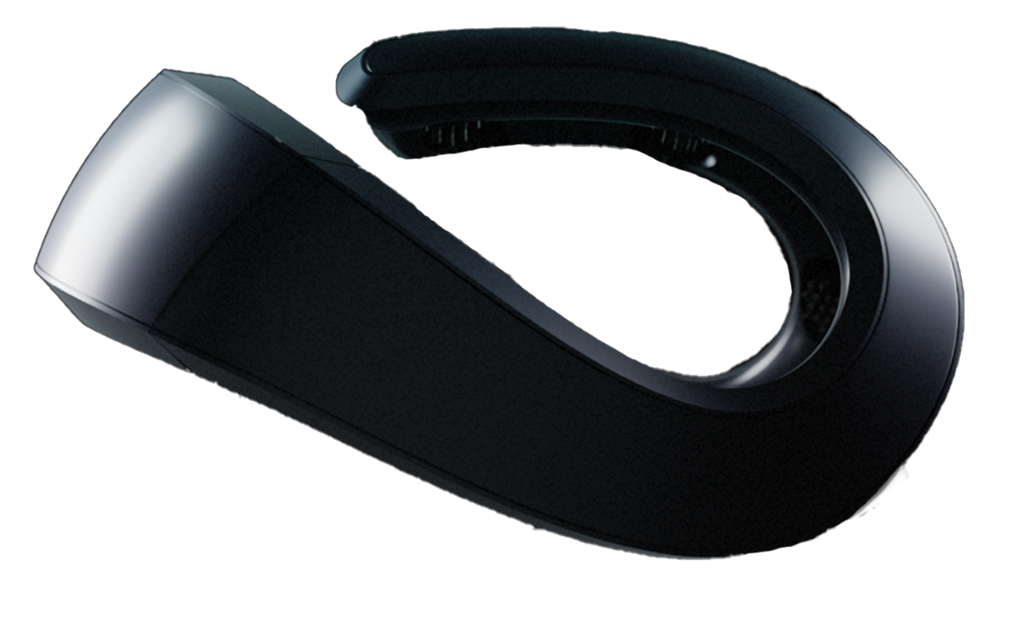
The Neurosity Crown, with electrodes at CP3, C3, F5, PO3, PO4, F6, C4, and CP4, captures activity across the frontal and parietal regions where these changes are most visible. Its 256Hz sampling rate resolves the frequency-band dynamics that reflect attention regulation and cognitive processing speed. And because all processing happens on the N3 chipset with hardware-level encryption, your data stays private.
For anyone interested in the gut-brain connection, this creates an interesting possibility: tracking how dietary changes, probiotic interventions, stress reduction, or sleep improvements affect your brain activity over weeks and months. The gut-brain axis operates on slow timescales, with microbial shifts taking weeks to manifest as neural changes. Longitudinal EEG tracking can capture trends that single-day snapshots would miss entirely.
With the Neurosity SDK's access to power-by-band data and focus/calm scores, you could design a personal n-of-1 experiment. Establish a baseline of brain activity metrics over two weeks. Then introduce a dietary change, a probiotic, or a stress reduction practice. Track the same metrics over the following weeks. The JavaScript and Python SDKs make it straightforward to log daily cognitive metrics. Through MCP integration, an AI assistant could help you identify statistically meaningful changes in your data.
The Axis Beneath Awareness
The gut-brain axis is arguably the most underappreciated communication system in the human body. For a century, we treated the gut as plumbing and the brain as the control center, with an impermeable wall between them. Every piece of that model turned out to be wrong.
Your gut thinks. It produces neurotransmitters. It hosts an ecosystem of 38 trillion organisms that actively shape your brain chemistry. And it talks to your brain through a nerve that carries more information upward than downward, making your gut more like a sensor feeding the brain than a machine taking orders from it.
The practical implications are hard to overstate. What you eat feeds your bacteria, which produce metabolites that influence how you think and feel. How you sleep affects microbial rhythms that regulate inflammatory signaling to your brain. How you manage stress shapes the gut environment that either supports or undermines your cognitive function.
None of this was in the textbooks a generation ago. The discovery that trillions of bacteria in your intestines are active participants in cognition, mood regulation, and mental health is one of the most startling developments in modern neuroscience. It redraws the boundary of what we consider "the brain" to include an organ that sits several feet below it.
Your gut is talking to your brain right now. It was talking while you read this article. It will be talking while you sleep tonight, sending reports through the vagus nerve about the state of the microbial world inside you. The only question is whether you're paying attention to the conversation, and whether the signals being sent are working for you or against you.